What One Drink Every Night Does to Your Sleep and Face
The first half of the night and the second half
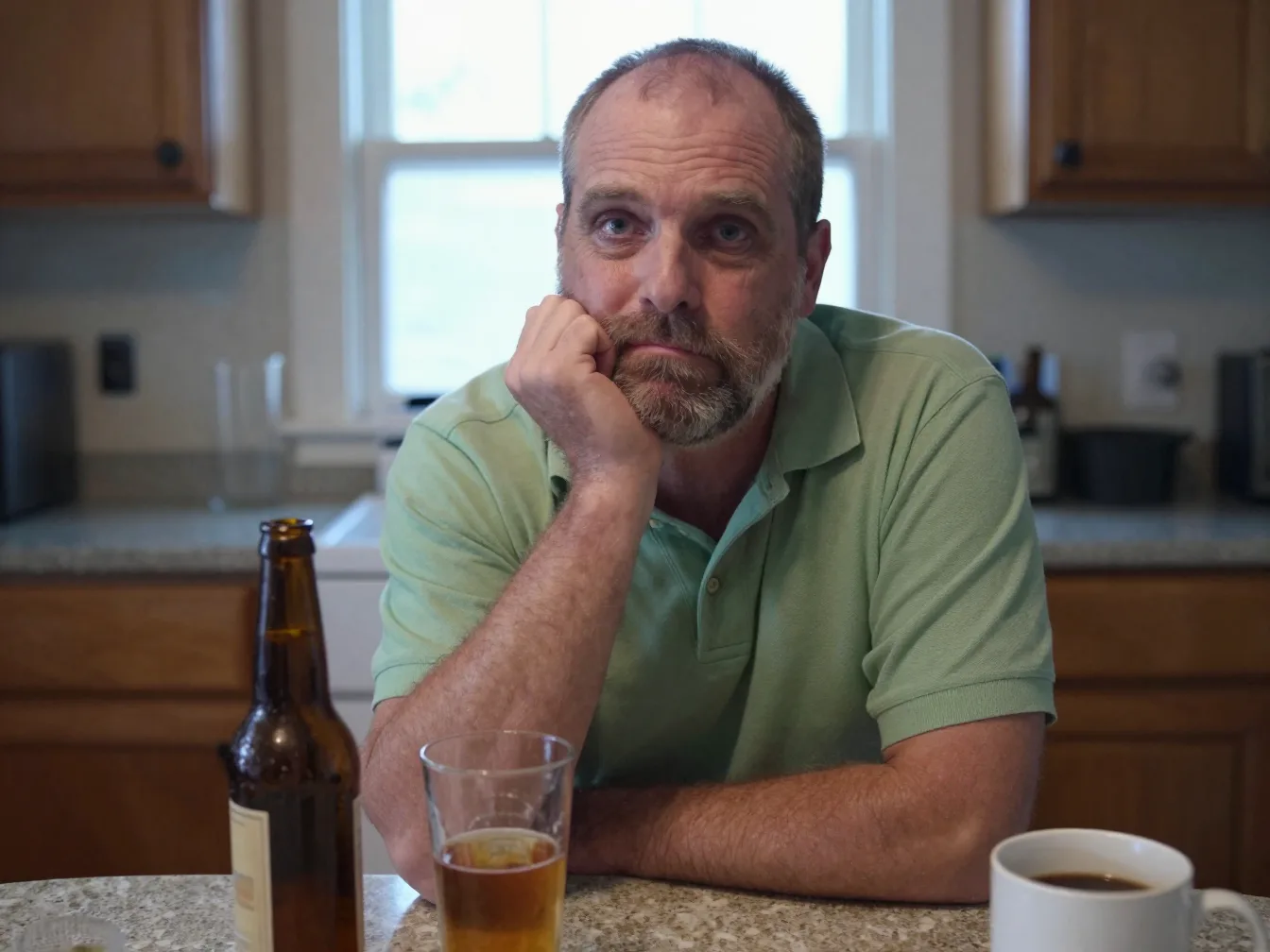
One beer or one glass of wine at night does change your sleep. You fall asleep a little faster and the first half of the night runs deeper. Then the second half turns lighter and more broken. A 2013 review of the known studies of alcohol and sleep in healthy volunteers found that pattern at all doses, low ones included.
You miss it because the waking comes in the early hours and is forgotten by the alarm.
The face is the smaller half. At one drink, the usual change is a duller, puffier morning that clears. Lasting lines and visible blood vessels have been shown at eight or more drinks a week.
Your heart rate in the first hours of sleep
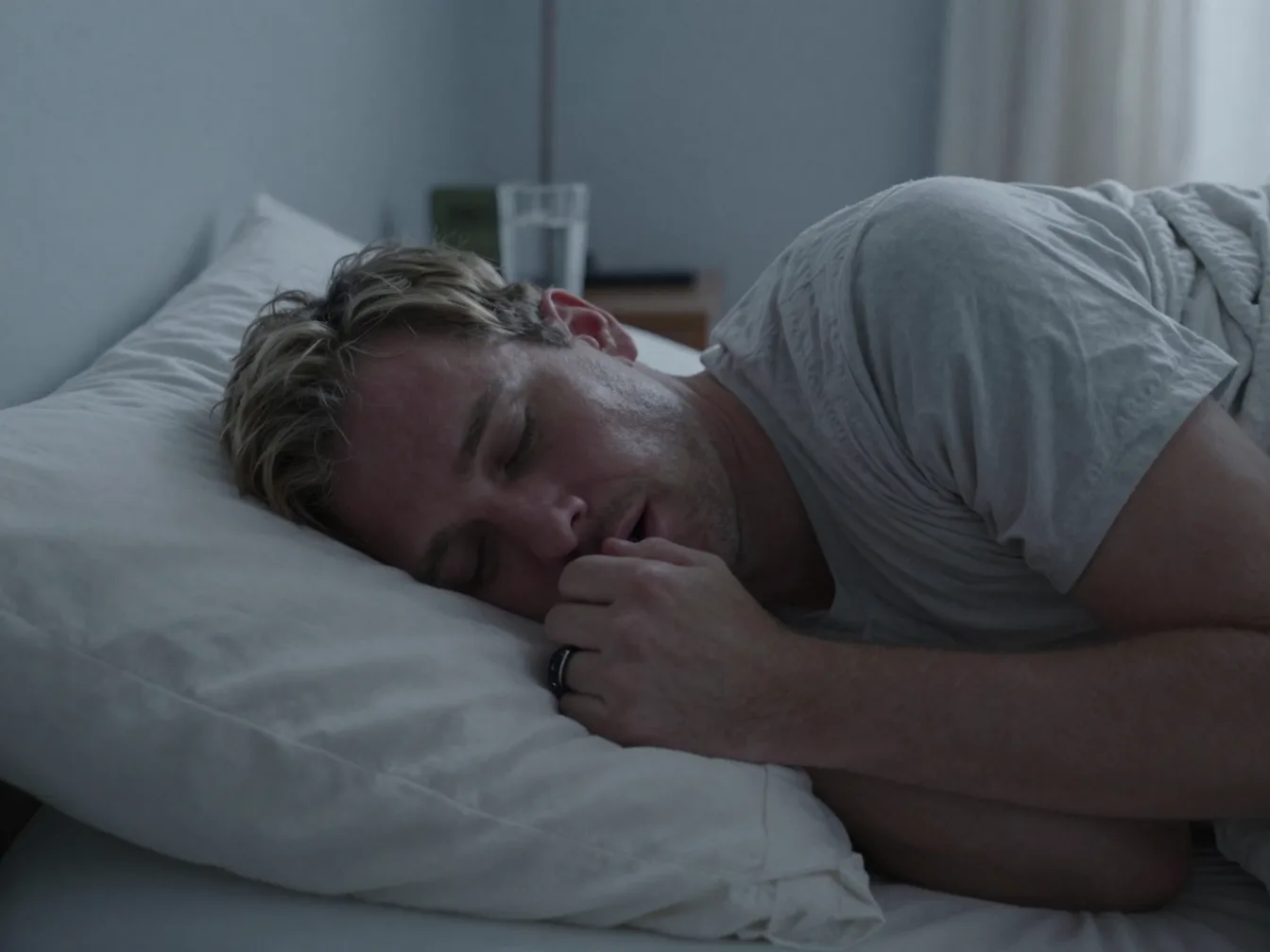
A watch or ring that tracks sleep can see what you can't. A study of 4,098 Finnish employees compared each person's heart recordings on drinking days with their own sober days. In the first three hours of sleep, a recovery score based on heart-rate variability fell by 9.3 percentage units on average even at low intake, and far more at higher intake. Younger people showed a bigger drop.
A sleep-lab study of healthy adults, whose low dose was one drink for women and two for men, found evening alcohol raised night-time heart rate, more at the high dose.
The Finnish doses were self-reported, and the lab covered single nights. Its authors say repeated nights still need study.
Snoring and the person next to you
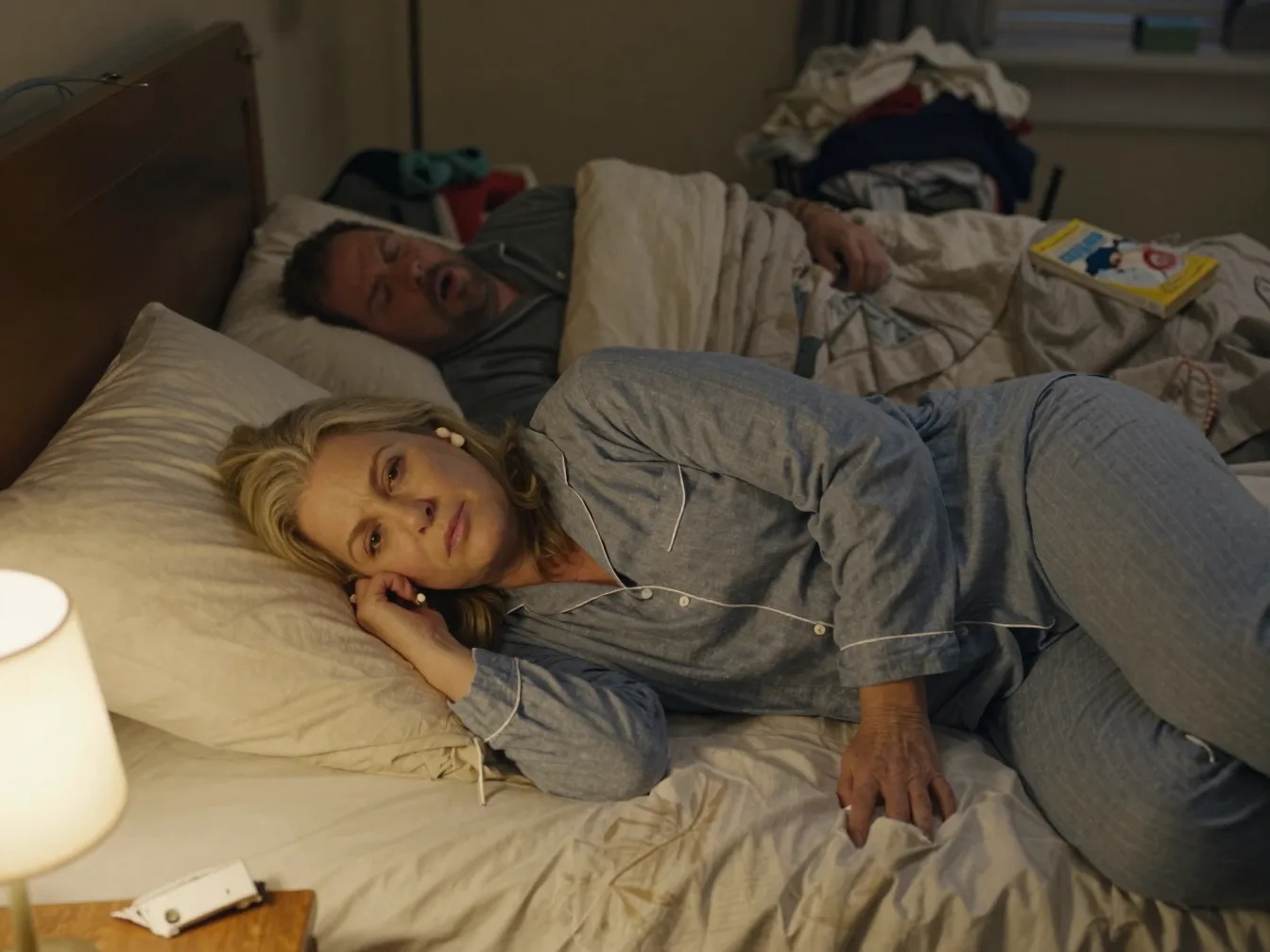
Whoever sleeps beside you hears a part of the night you don't. Alcohol relaxes the muscles of the upper airway. A pooled analysis of 13 studies, in patients prone to snoring or sleep apnea, linked drinking with worse snoring and lower oxygen during sleep.
Timing counts. A 2026 review of sleep research notes that a drink within 30 minutes of bed hit the early night harder than one earlier in the day.
This shows up mostly in people who already snore. If nobody has ever mentioned it, it may not apply to you. If someone has, ask whether it's louder on drink nights.
What a week of nightly drinking did in a sleep lab
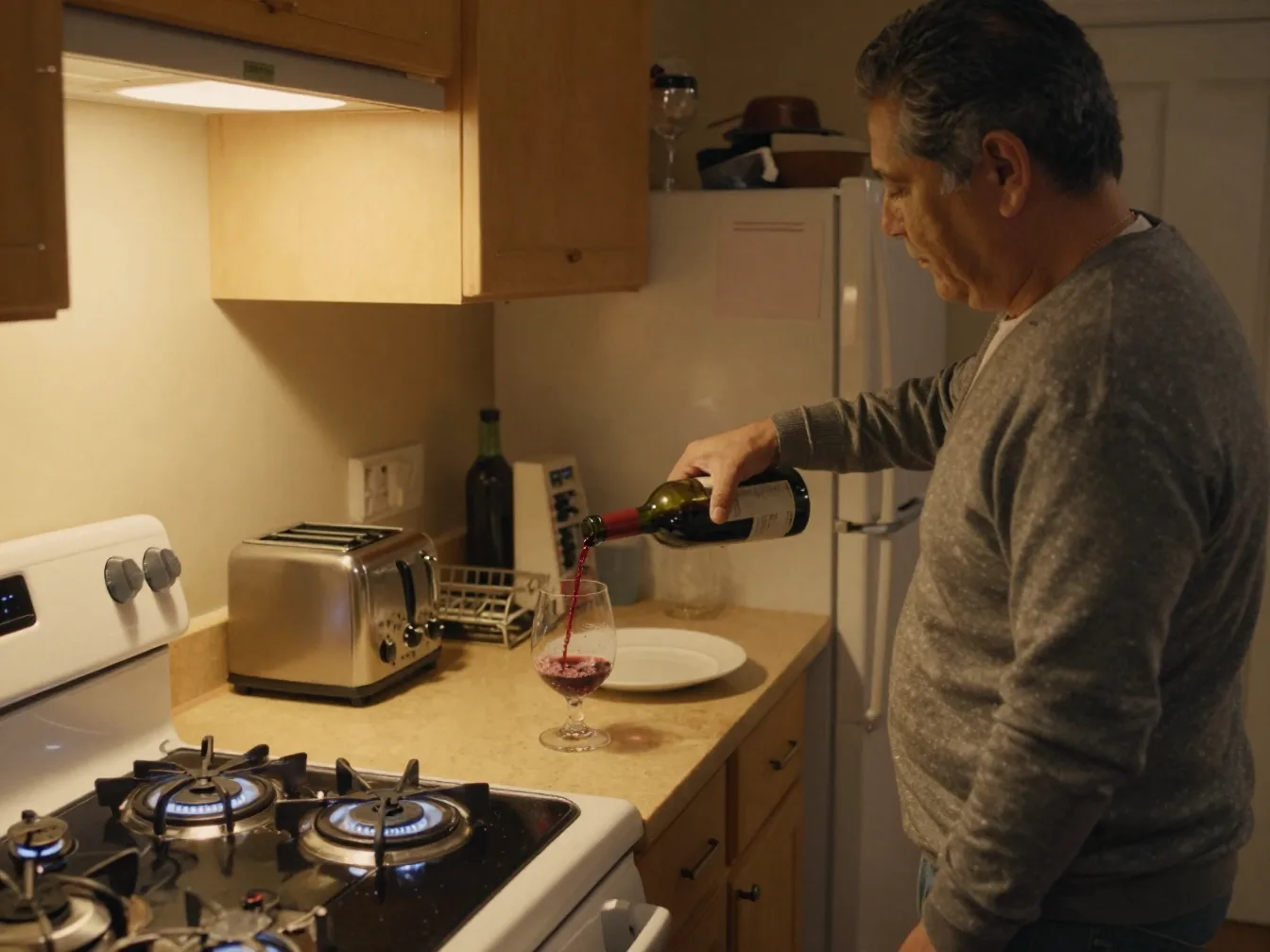
Part of the pull of the evening drink is that it seems to help you drop off. In a lab study of adults with insomnia, alcohol at bedtime added sleep on the second night. By the sixth night the extra sleep was gone, and people who'd had six nights of alcohol chose more refills before bed than a placebo group.
Those people already slept badly, the doses were bigger than one drink, and the groups were small. The study did not test one drink in someone who sleeps fine.
What you can check is whether your one still does what it did years ago, and whether some nights it has become two.
Your face in the mirror the next morning
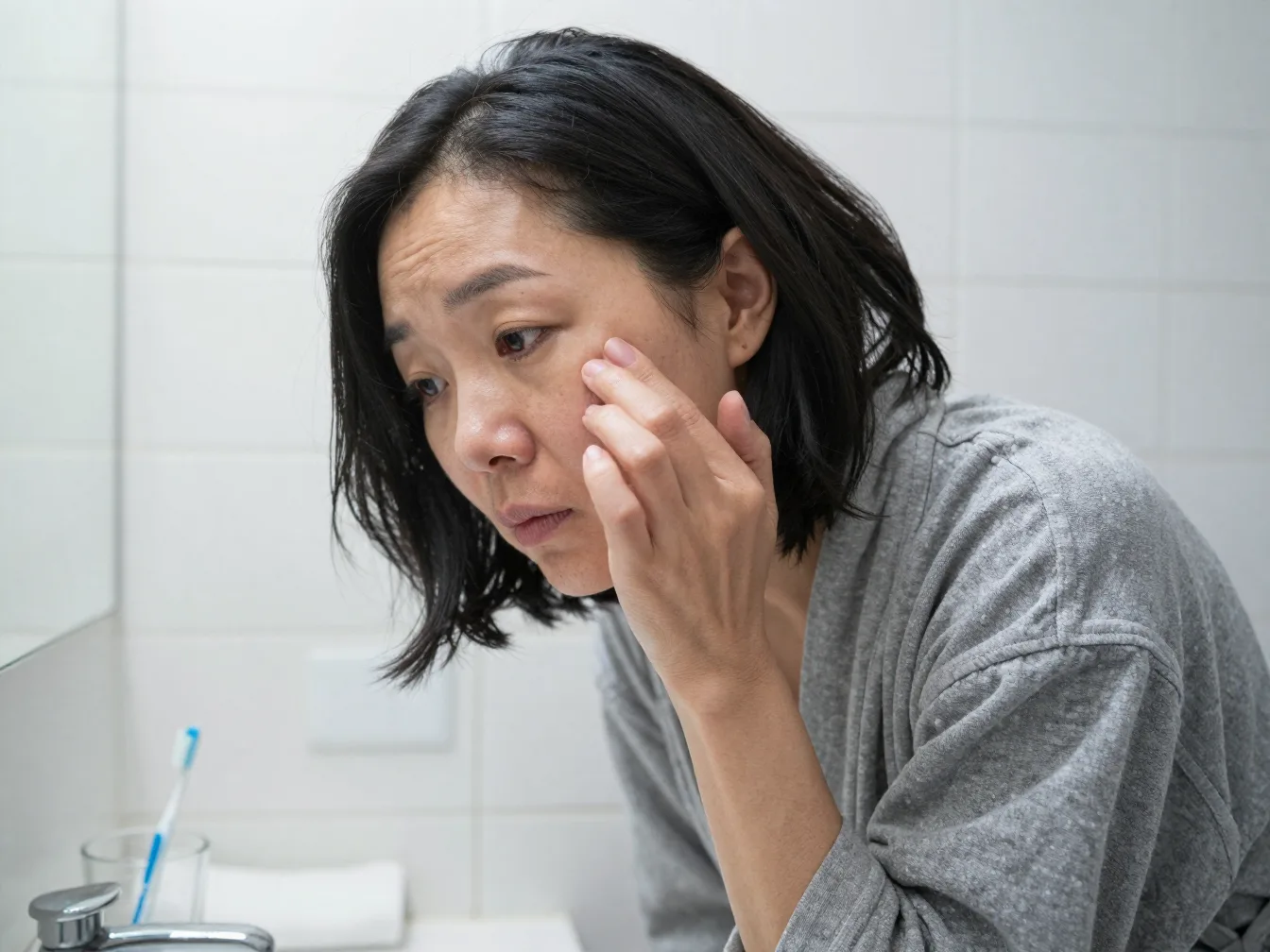
Look at the skin under your eyes on an ordinary weekday morning. Alcohol makes the body shed water, and Dr. Bav Shergill, a consultant dermatologist and spokesperson for the British Association of Dermatologists, told iNews that even a couple of units can leave skin dull and dry. The broken sleep adds a paler face, darker circles and eyes that look sunken or puffy.
Some people see little or no change. These marks are temporary, and Shergill said puffiness and dryness can be reversed by cutting back or stopping.
What other people see on a tired face

People read sleep loss on a face. In one study, 40 observers rated photos of the same people after a normal night and after 31 hours awake. The tired faces got more hanging eyelids, redder and more swollen eyes, darker circles, paler skin and droopier mouth corners, and looked sadder. The authors wrote that such cues may carry social consequences.
Thirty-one hours awake is far more sleep loss than a drink causes, and alcohol wasn't part of the study. Nothing shows one drink produces this look. It does tell you what a coworker is reading when he asks if you slept badly.
Lines and blood vessels over the years
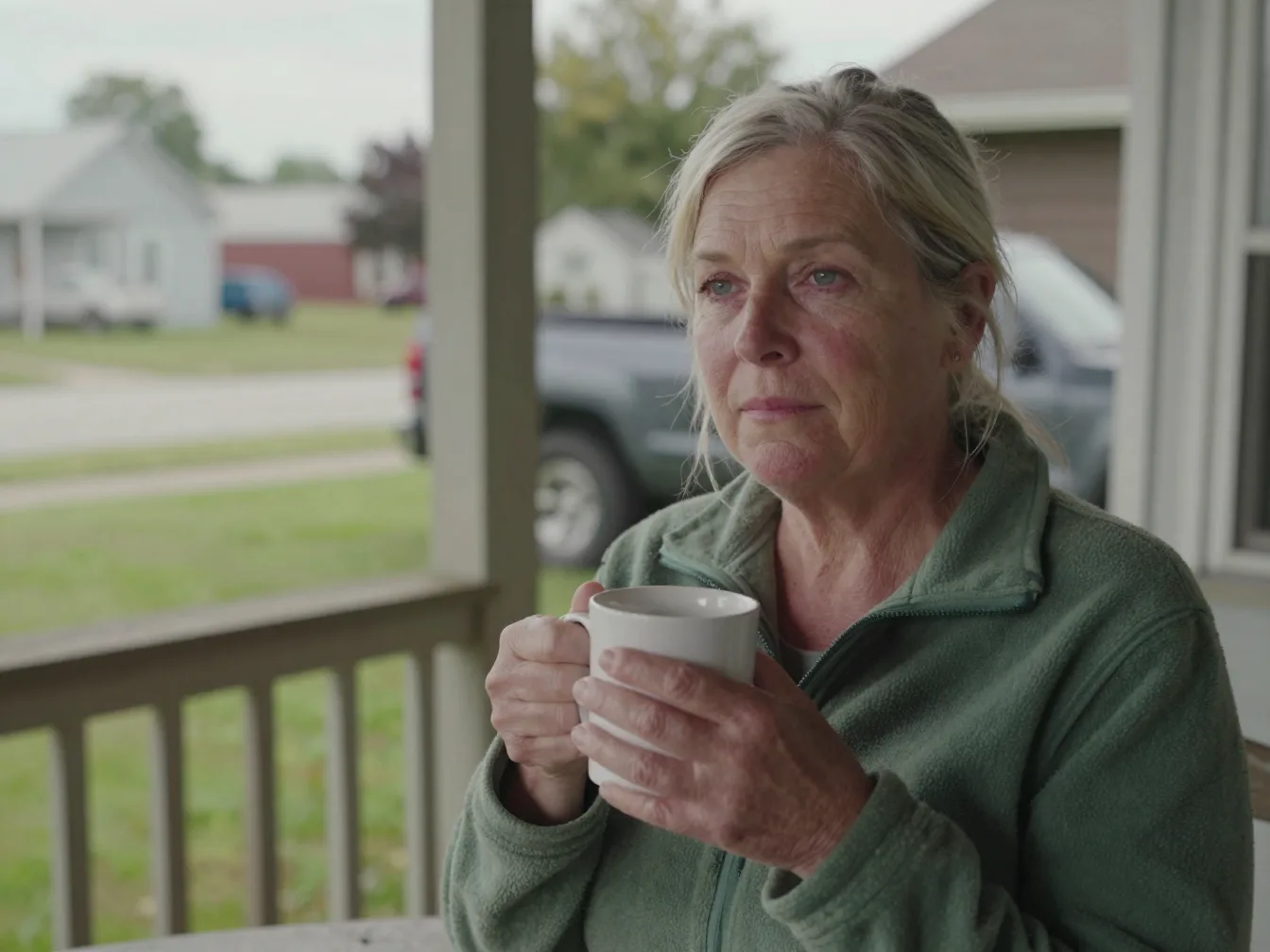
The lasting changes have been measured in heavier drinkers. In a survey of adult women in the US, Australia, Canada and the UK who rated their own faces against photo scales, eight or more drinks a week went with more upper-face lines, under-eye puffiness, midface volume loss and visible blood vessels, after allowing for age.
One a night is seven a week. The survey covered only women rating themselves at one point in time, and it doesn't say one a night does this.
Dr. Derrick Phillips, a consultant dermatologist quoted in the same iNews piece, said drinking above the UK weekly limit can leave broken capillaries on the nose and cheeks, and the piece adds that not drinking to excess stops new ones forming.
What a month without it changed for other drinkers
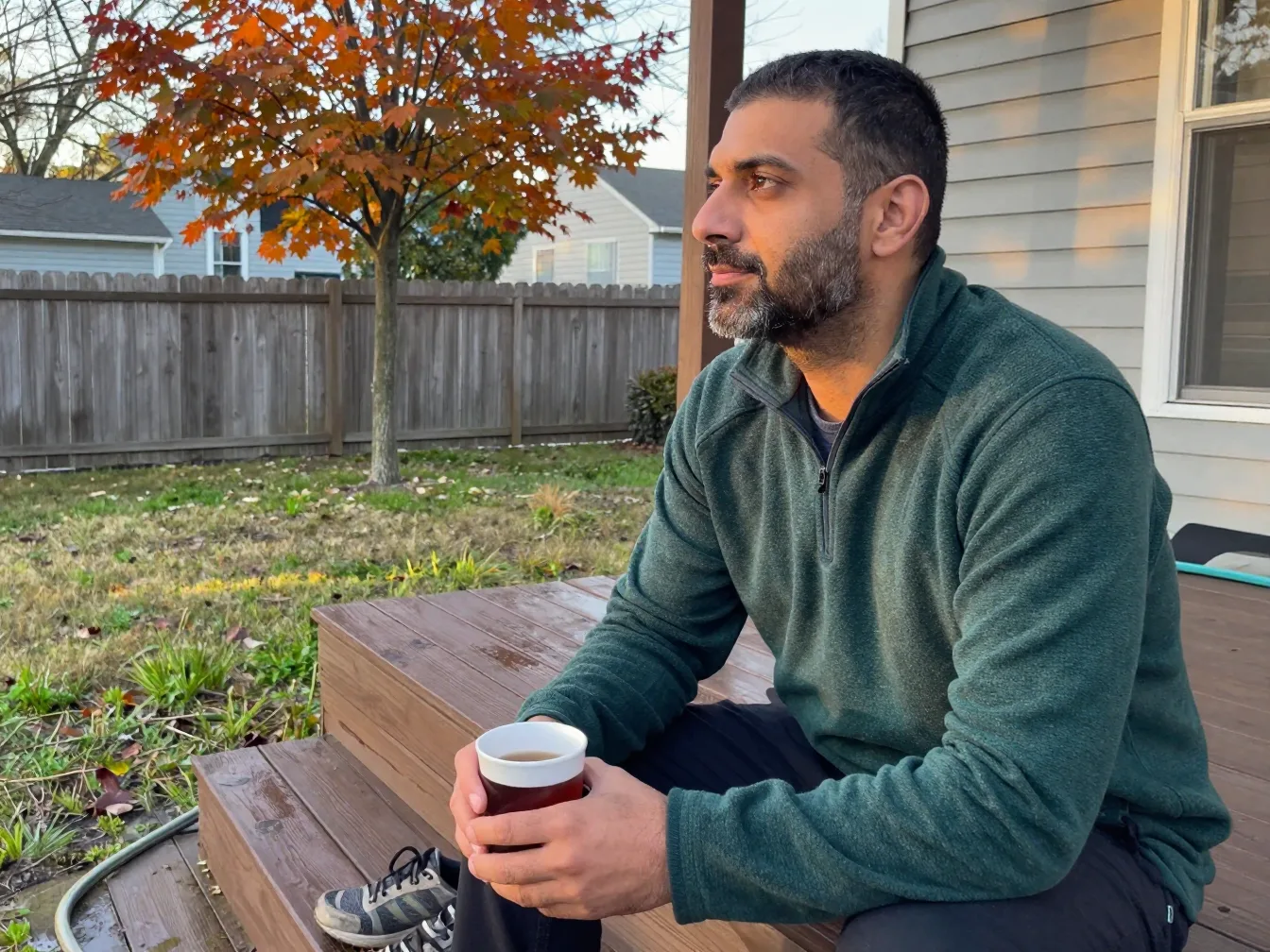
Most of what is known about a month off comes from Dry January. Among 2,123 French adults who took part in 2024, questionnaires at the start and after one month showed better sleep quality, well-being and physical health, clearest in those who stayed alcohol-free all month.
A study that followed participants through 2019 found the gains among people who finished the month and not among other drinkers who skipped it. Participants drank more than most to begin with.
All of it is self-reported, by volunteers who chose to try, and none of it was a controlled trial.
Where your own case begins
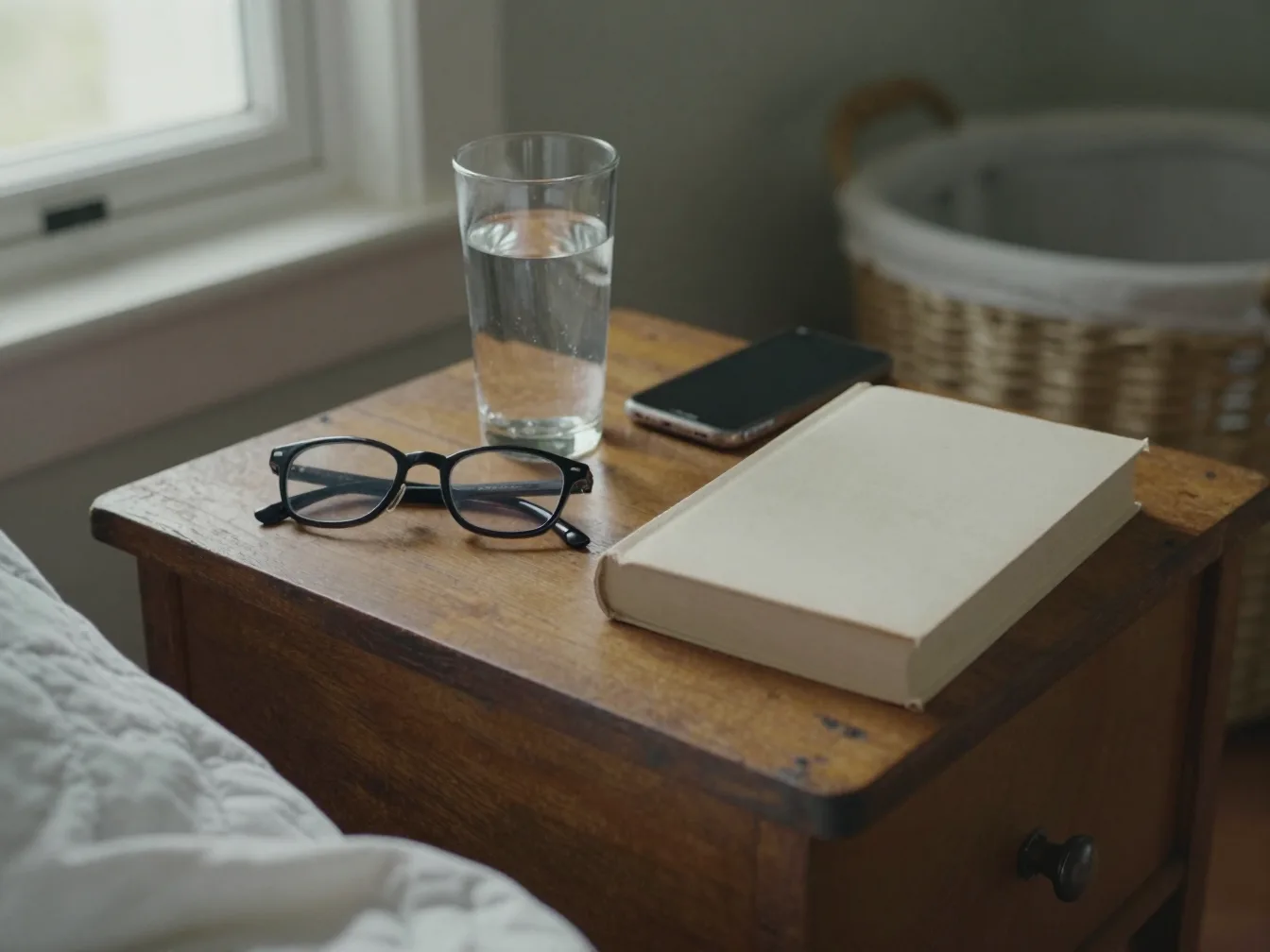
The general answer stops at your own details. In the Finnish heart data the effect grew with the dose and was stronger in younger people, and the lab study found different patterns in men and women.
Timing is the part in your hands. The 2026 sleep review says finishing a drink several hours before bed may reduce the effects without removing them, and going without protects sleep most. The Dietary Guidelines for Americans say people on medicines that interact with alcohol should avoid it completely.
Your own test is free: two or three weeks without the drink. Watch the mornings, ask whoever sleeps beside you about the snoring, and if you wear a tracker, compare the nights.