Do You Lose Your Strength After 40 If You Never Lift?
What strength does between 30 and 50
When researchers combined British population studies covering 49,964 people, from small children to the very old, grip strength followed one broad curve. It climbed to a peak in early adult life, between about 29 and 39 for men, held roughly level, and then declined "from midlife onwards."
Nothing in that curve falls off at 40. The level stretch runs up to midlife, and the drop after it is gradual.
The limits matter. This is grip, not legs, and each person was measured once, so the study compares different people of different ages instead of following anyone. It also did not pin midlife to a birthday.
How fast it drops after that
In Boston, 120 volunteers, all 46 or older, had their leg and arm strength tested, then tested again about ten years later. The muscles that straighten the knee lost on average 14% of their strength per decade, in men and in women alike. The oldest lost fastest. Women's arm strength barely moved.
So the plain answer to the title is yes, on average, and slowly. Spread over ten years, a loss that size never shows up in any single month.
People who keep training seem to lose far less, and untrained adults past 50 who start lifting gain strength within a few months. The Boston group was small and made up of volunteers.
Why your arms can look the same and still be weaker

The shirt still fits across the shoulders, and the forearms look the way they did. That can hold true while the muscle under them puts out less force. A 2012 review of studies that measured both size and strength in the same people found strength falling two to five times faster than muscle mass.
Most of the yearly rates in that review were measured around age 75, so they say less about the forties, and the numbers shift with the measuring method and the group.
Still, the mirror shows size, and size is the part that changes least.
Why heavy things feel it first
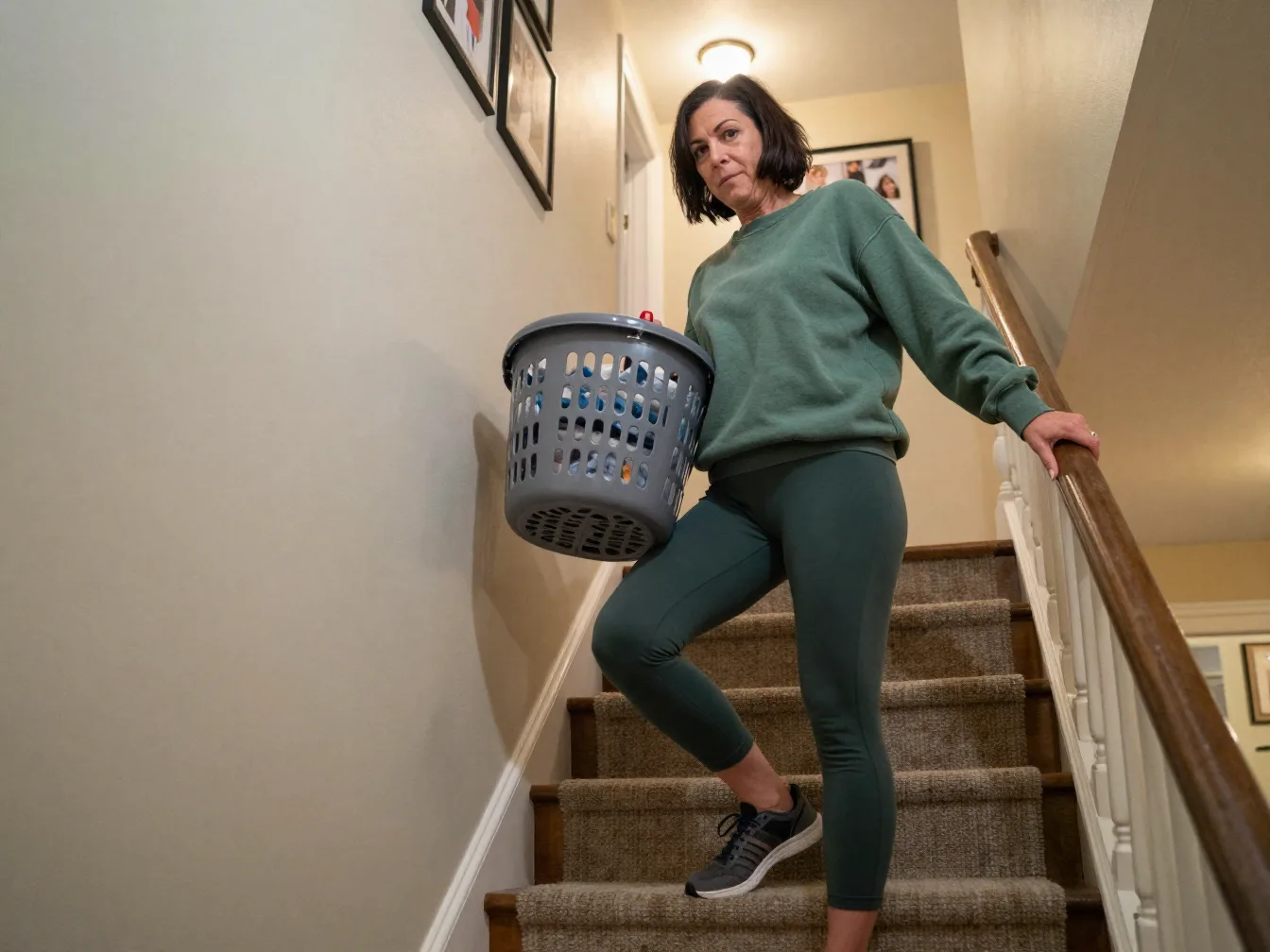
Getting a carry-on over your head or a full laundry basket up the stairs takes close to everything your muscles have. A walk around the block takes a small part of it. So a slow loss shows up on the heavy lift long before it shows up on a walk.
You also adjust before you notice. Two trips with the groceries, a hand with the couch, a box left on the low shelf. Each choice makes sense on the day, and none of them looks like losing anything.
One check from memory: what did you last carry in a single trip that now takes two?
How much is age and how much is disuse
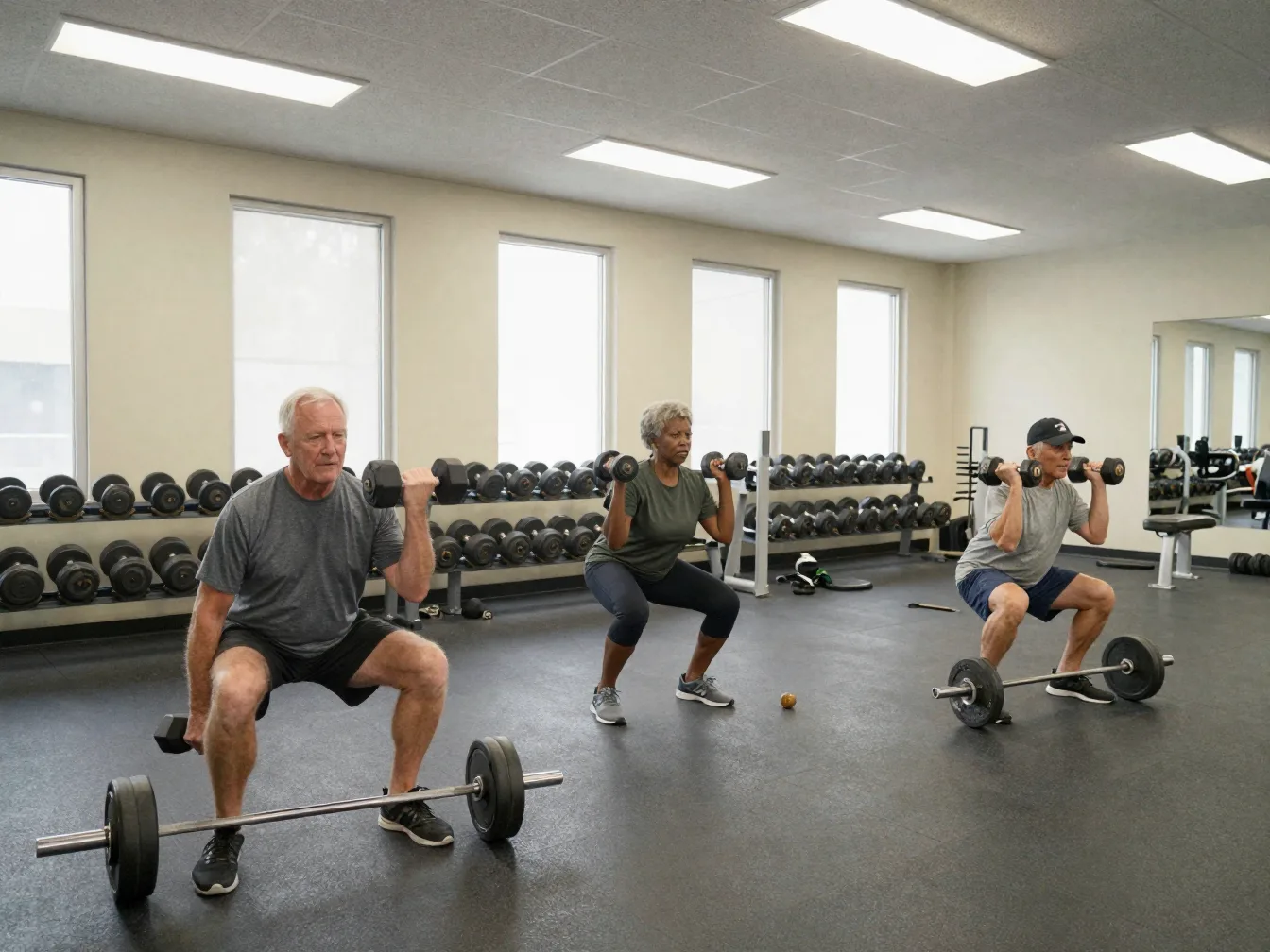
A small group of recreational athletes, from their forties into their eighties, trained four or five times a week. Measured once, their thigh muscle size and thigh strength showed no decline with age, and the researchers suggested the usual losses may reflect long disuse more than aging muscle.
The Boston group pulls the other way. Their physical activity fell over the decade, yet it was not directly linked to how much strength each person lost.
The athletes chose to train and were never followed over time, and the Boston group was small. Whether the drift belongs mostly to the calendar or to unused muscle is still open.
What happens when people start after 50
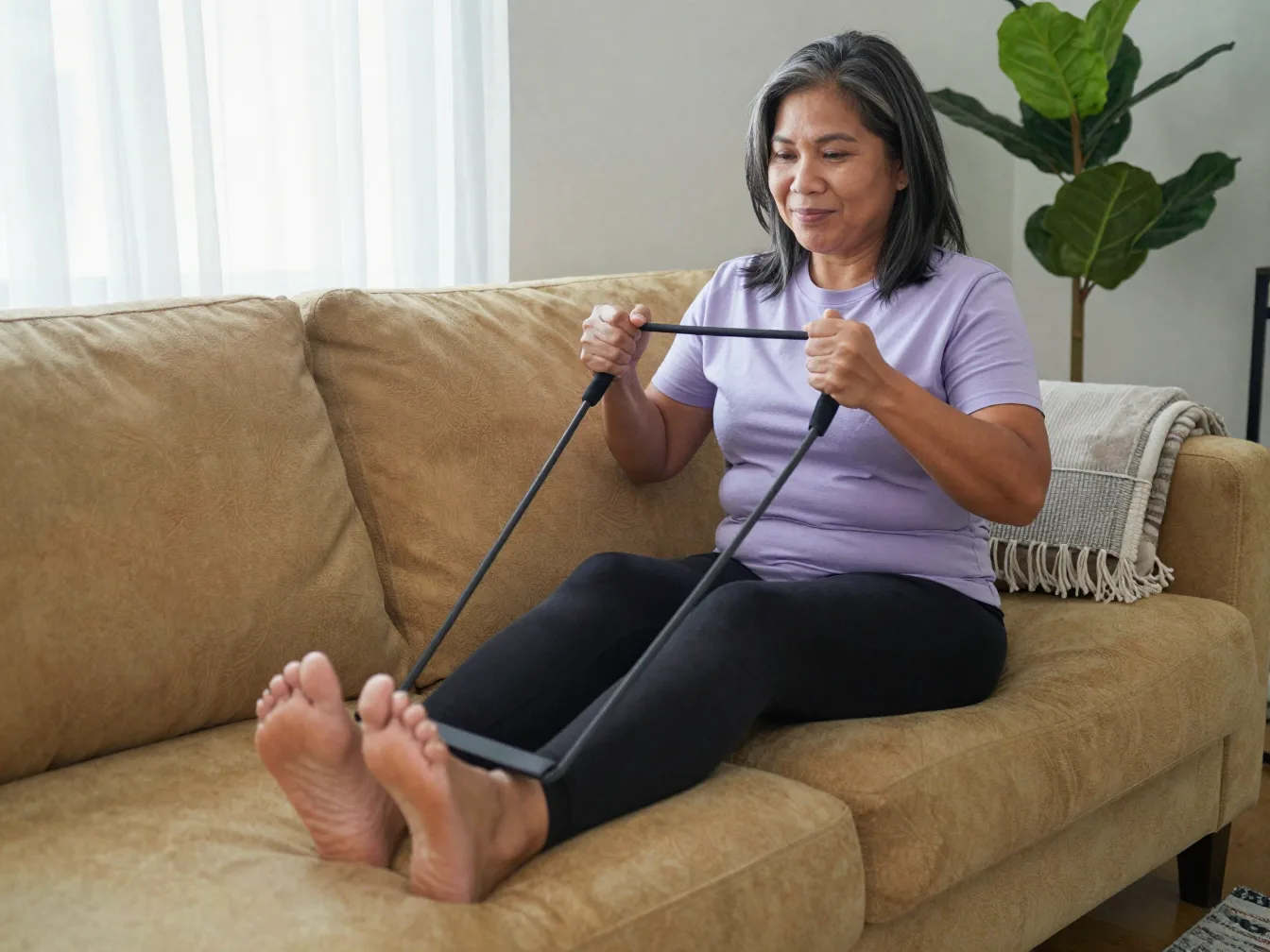
Take adults of 50 and older who have not been training, put them on a supervised lifting program for ten to twelve weeks, and their strength goes up. Pooled across dozens of trials, the average gain was about a quarter to a third, depending on the lift, and harder training brought bigger gains.
In one small trial, healthy untrained men in their sixties and early seventies trained three times a week for three months. Their knee-extension strength more than doubled, and their thigh muscle grew.
These were healthy volunteers, mostly in supervised programs, the small trial had no comparison group, and a pooled average is no promise for any one person.
How much lifting the guidelines ask for
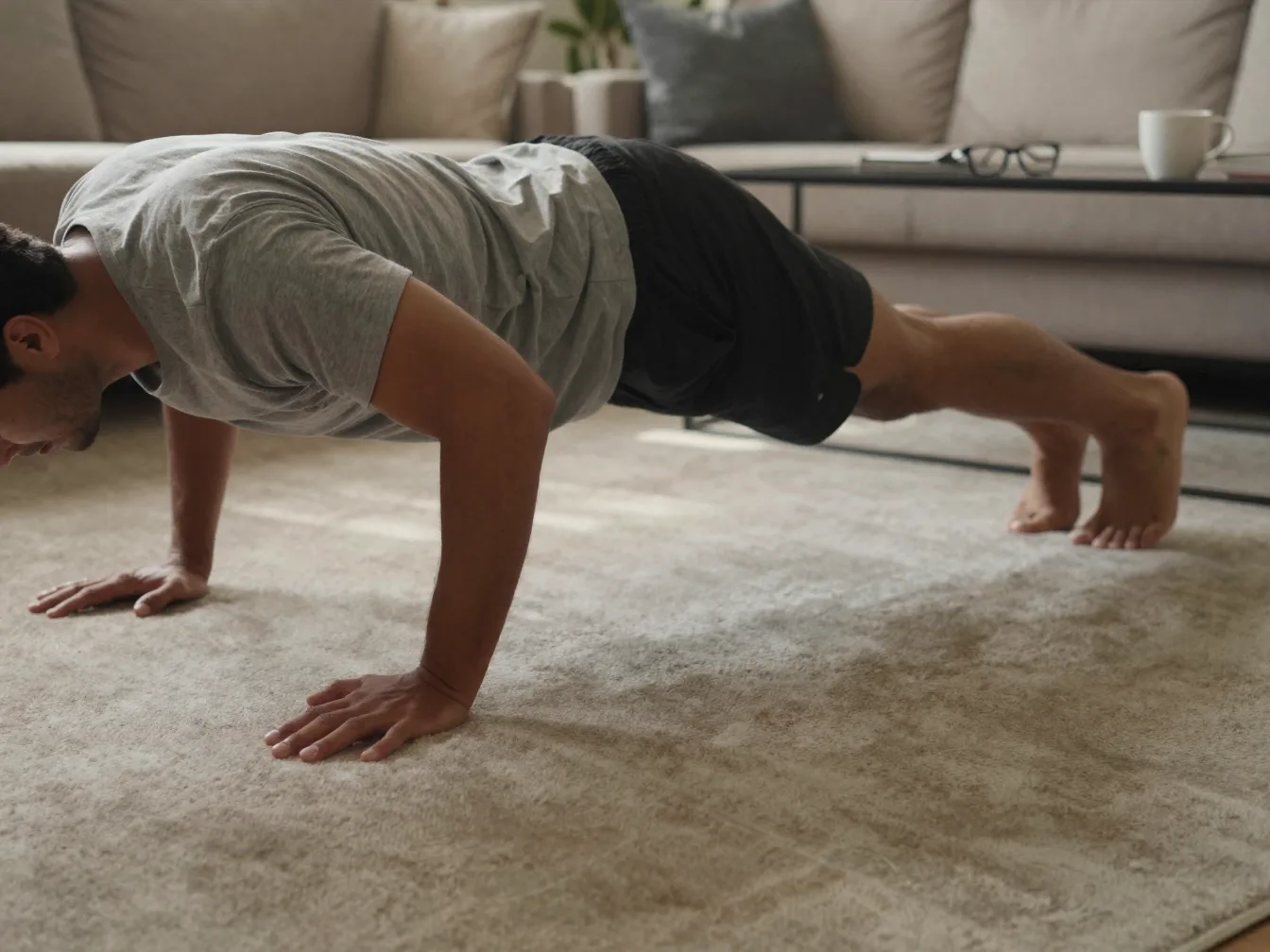
Two days a week is the bar. The CDC sets the adult minimum at muscle-strengthening work on two or more days that covers all the major muscle groups. The World Health Organization's 2020 guidelines also call for regular strength work at every age.
The amount is smaller than most people picture. One set of 8 to 12 repetitions counts, as long as the last ones are hard to finish without help. Two or three sets give more.
It does not have to mean a barbell. Exercises using your own body weight count, and so do elastic resistance bands.
Most American adults skip it too
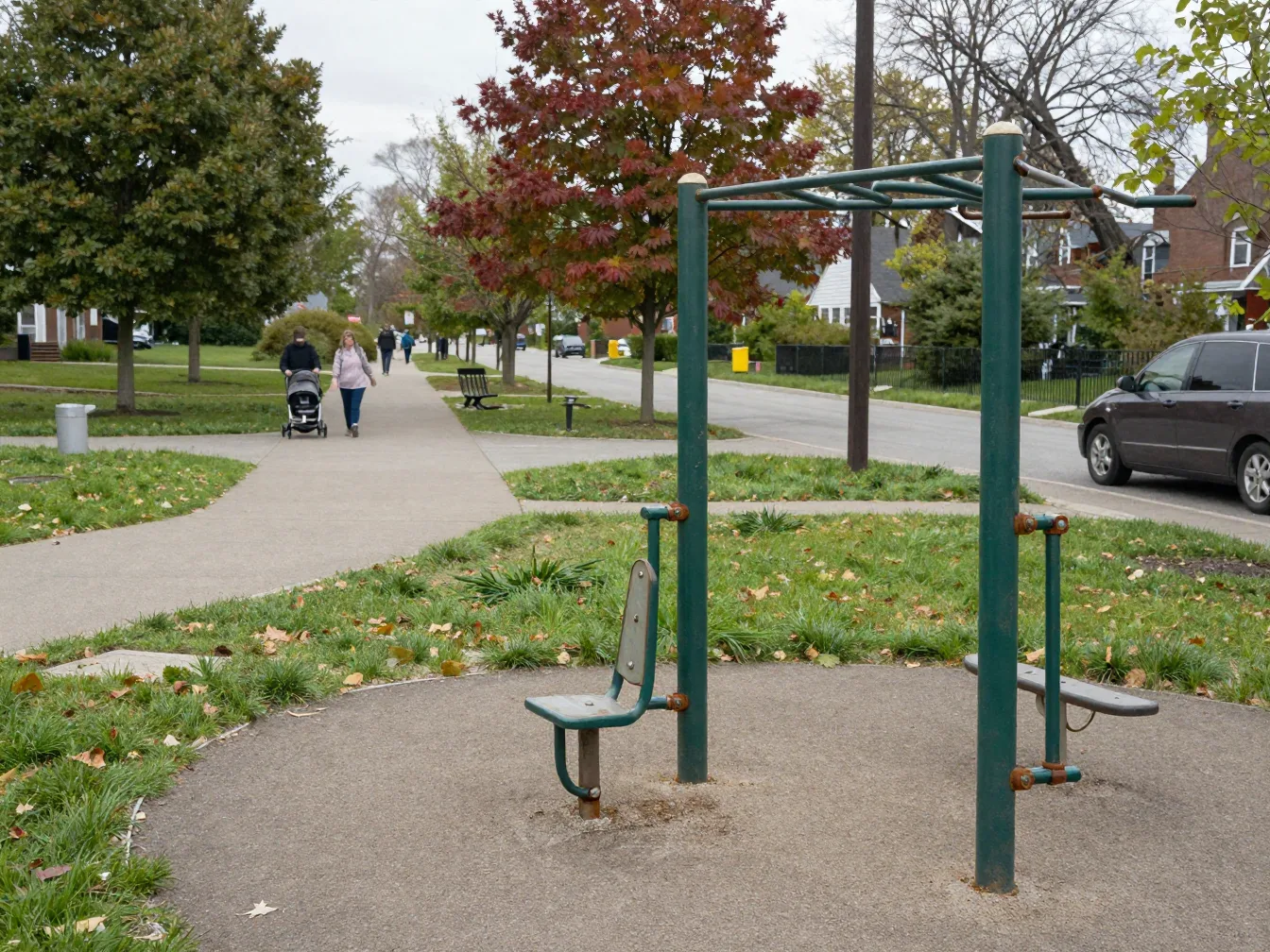
If strength work dropped out of your week years ago, you have plenty of company. In a 2020 national health survey, the share of U.S. adults who did enough muscle-strengthening in their free time to meet the guideline ranged from 21.1% in nonmetropolitan counties to 35.3% in the West.
Doing both the strength work and the recommended cardio was rarer still. In no region and no type of county did more than 28% of adults manage both.
Those were self-reports, and they counted leisure time only. A job spent stocking shelves or moving patients was left out, though it works the muscles all the same.
Where the general answer stops and your case begins

Every number here comes from other people: British grip data, Boston volunteers, trial subjects healthier than average. Your own strength depends on things those studies cannot see. Whether you trained in your thirties. Whether your job has you lifting. Your genes, your sex, your health and the medicines you take.
Nobody can rate your strength from a page. The comparison that holds is you against yourself five years ago. Can you carry what you carried then in one trip? Do you get up from a low chair with your hands or without them?
And the trials are plain on one point: untrained adults past 50 gained strength within weeks, at every age studied.