How People Treat You After Years of Saying Yes
The thanks, and where you stand with peers

Mostly warmly, and as the person who gets asked first. The thanks and the good name are real. The weak spot is pay: in the one large firm that was studied, extra help went with smaller raises, and turning down a small request can cost more standing than turning down a big one. A no probably costs less than you fear.
In four experiments, a short written thank-you made helpers help the same person again, and then a different person, because it left them feeling valued. Those effects were short-term.
Among 161 employees of one large firm, the ones seen as generous had higher status with peers. One firm and a correlation can't show the generosity earned it.
Who gets asked first

Asking you works, so you get asked. Researchers tested who gets picked for a task nobody wants. Requesters went to women more often than men, expecting a yes, and women did agree more. At one university, 18.7% of women and 10.3% of men who were emailed agreed to join a faculty senate committee.
Those tests compared women and men, and none looked at people known for agreeing. So carrying the logic over to a long record of yes is reasonable but untested. Vanessa Bohns, an associate professor at Cornell's ILR School, said in an eCornell interview that "our mindless default is to agree."
The evidence is mostly from workplaces, and no study follows one person over years.
Turning down something small

A small refusal is the one people seem to react to. Say no to swapping a single shift or reading a short email, and others tend to see you as less influential.
Across five experiments, refusing a low-cost request cost people influence compared with agreeing and with a control group. Turning down a costly request did not; the effect reversed or disappeared. Refusers came across as more forceful and less admired.
These were one-off experiments, so they capture the first reaction and nothing after. If you remember a small no of your own, think about whether the other person's manner changed, and for how long.
What shows up at review time

Pull up your last performance review and look for any mention of the extra things you took on.
Records for 3,680 employees of one professional services firm showed that hours on the core job counted for more than hours spent helping, in ratings, raises and promotions. Among people with the same core-job hours, those who helped more got smaller raises and moved up more slowly.
That was one firm that judged people on outcomes, and the authors call their result partial support. A workplace that writes helping into the job may count it differently.
Agreeable men and their paychecks
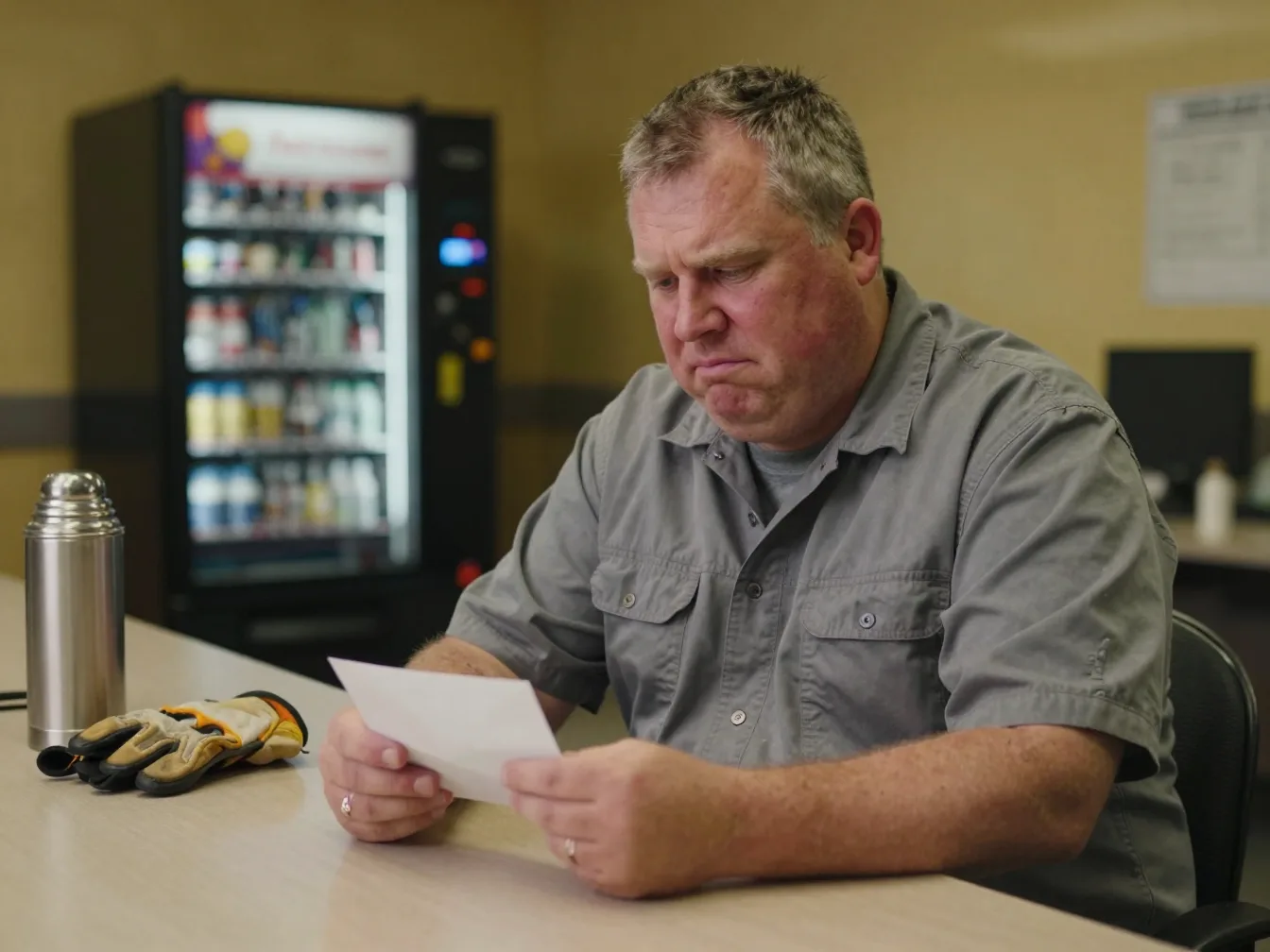
Across four studies of income, agreeable people earned less, and the gap was bigger for men than for women. An experiment in the set pointed to a backlash against agreeable men.
Agreeableness is a personality trait, broader than a habit of saying yes, so this bears on the question only indirectly.
A 2018 study found that the link between agreeableness and money trouble ran mainly through caring less about money. Softer bargaining was not what drove it, and the link was stronger at low incomes. If money tends to come last when you weigh a job or a request, that is the route it describes.
Coming home worn out

Some heavy helpers come home spent and short with the people there. A study that followed call-center employees over time found that the dutiful kind of extra helping went with more exhaustion and more clashes between work and family, most of all in high performers.
Other work points the other way. A 2026 analysis of 186 samples, not yet peer reviewed, found people who help beyond their job tend to report more good moods and higher life satisfaction. A university thesis repeating an earlier study found no link.
Nobody has shown cause either way. Shorter-tempered evenings may come partly from the extra hours, or from much else.
How a no feels on each side

The pause before the word, with someone waiting across the desk: most of the dread sits there. Bohns says people assume others judge them more harshly than they do.
In experiments by Flynn and Bohns, people asking for help underestimated by as much as 50% how likely others were to agree, and missed how awkward refusing is. In two lab studies with 535 people, being handed a sentence for declining made agreeing feel more like a free choice, since part of the difficulty is finding the words on the spot.
These are single moments in a lab, and a small no can still cost some standing.
Whether a no lands the same for everyone

The same refusal gets read differently depending on who gives it. In two experiments using written work scenarios, helping raised ratings of men but not women, and withholding help lowered ratings of women but not men. A third study found altruism is seen as less optional for women.
For a man, that suggests a lighter penalty for an occasional no than the women around him face, though the small-favor results still apply. These were written scenarios in a study published in 2005, and attitudes may have moved.
Look at who on your team turns things down without anyone remarking on it.
Your own record of yes and no

Whether your yes reads as warmth or as a default depends on the job, the boss, how costly the favors are, and who you are. No study follows one person's standing for years, and you know which of your yeses were wanted.
Two things to check from memory. Of the last ten requests, how many came to you first? The last time you turned down something small, what happened afterward?
In the refusal experiments, turning down a big ask cost little standing. The sentence itself is also within reach: in the lab, people handed words for declining felt freer to choose, though that was tested on people being asked once, not on a habit of years.