Which Signs of Nervousness Do Other People Actually See?
How nervous you think you looked

After a short talk, many speakers sit down sure the room saw the pounding chest. Mostly, it did not. In a lab study by Savitsky and Gilovich (Journal of Experimental Social Psychology, 2003), participants gave short speeches in pairs and rated how nervous each looked. On average, speakers rated themselves as looking more nervous than their partner rated them.
MacInnis, Mackinnon and MacIntyre (Current Research in Social Psychology, 2010) found the same gap with students speaking to a live audience. The gap is an average, though, so some people's nerves do show.
Ask one listener afterward how nervous you looked, and compare.
A sheet of paper in your hand
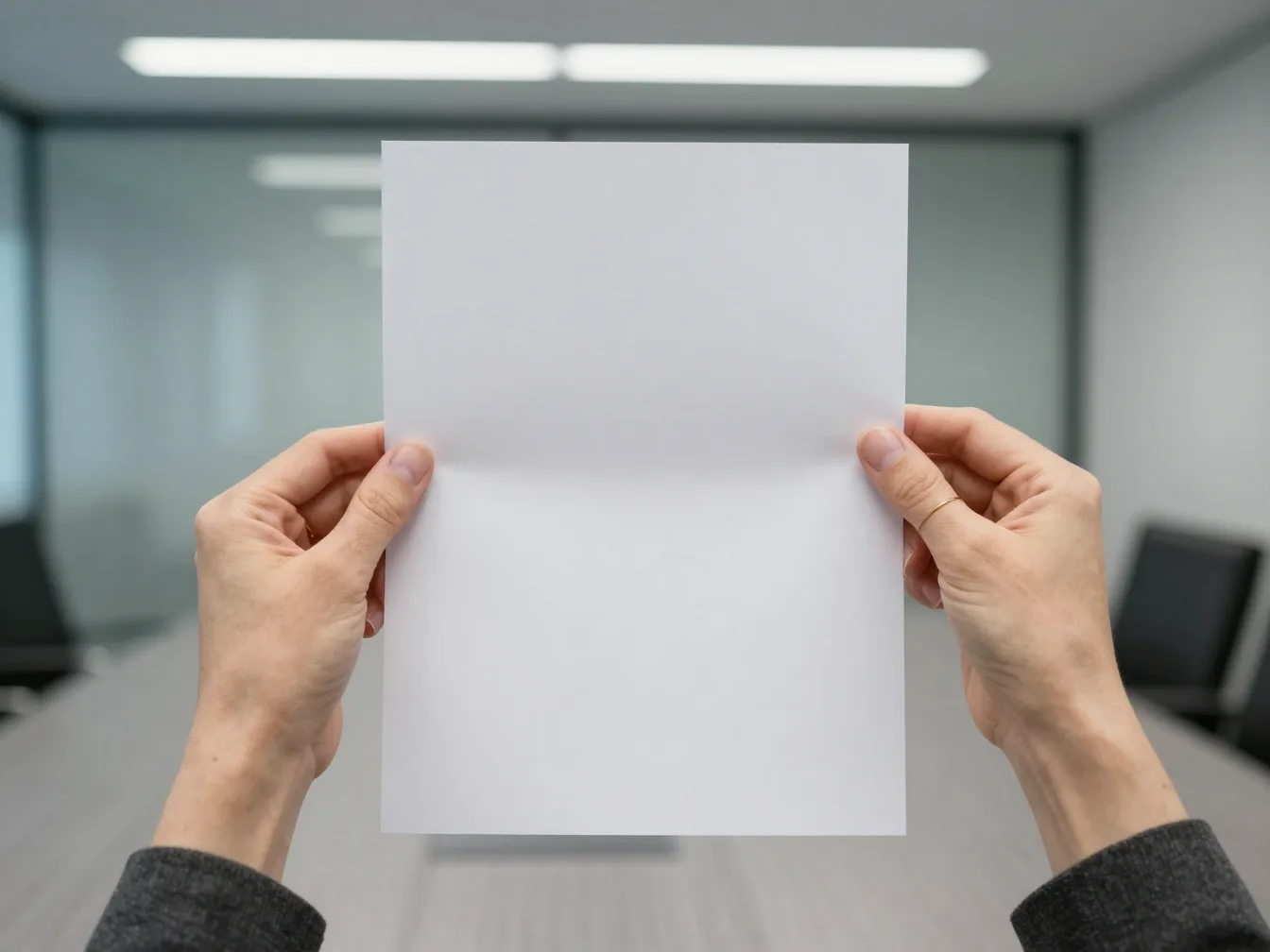
A slight tremor in a hand is hard to see. A page held in that hand flutters and rattles. Allison Shapira, who lectures on The Arts of Communication at Harvard Kennedy School, advises on her website resting notes on a table, since a held page can show the shake and invites fiddling. David Nihill, a professional speaker and comedian, writes that paper in the hand magnifies the shakes.
The tremor is a normal adrenaline response; Nihill, who says he has logged over 10,000 hours on stage, once earned a nickname for his shaking. The paper makes it large.
Record yourself on your phone reading from a printed page. Watch the paper.
How fast the first minute goes

Play back a recording and compare the first minute with minute five. The opening often runs quicker, like a company name mumbled in a rush when someone answers the phone. The example is from It's About Them: Public Speaking in the 21st Century, an open textbook from the Louisiana Library Network, which says adrenaline tries to work its way out of the body, and advises a deliberate pace at the start, while listeners get used to your voice.
Nihill tells speakers to practice the opening most. He says the shaking usually settles once a talk is going well, which can take 60 seconds or more.
Some people always talk fast, so speed alone proves little.
What your hands do while you talk

Watch a video of yourself with the sound off. Nihill describes what he says most people do when nervous: "rubbing their hands together like they are petting some imaginary furry hamster."
Hands held too still get noticed too. The Louisiana textbook says hands in pockets, stiff at the sides or behind the back can look unnatural, as can hands that never stop moving. It suggests resting them on the lectern's edge without gripping.
Either extreme can read as nerves. Neither says whether you know your subject, and both sources give advice without measuring what audiences conclude.
Saying out loud that you're nervous

Some people open with an announcement: they are so nervous, please bear with them. The listener, who may have noticed nothing, says they are doing fine. An apology for glancing at notes points at a fault the room may have missed. Shapira tells speakers not to apologize for looking down; finding your place is natural.
In their second study, Savitsky and Gilovich told some participants that nervousness is usually less visible than people think, and their speeches were rated more positively. Simple reassurance did not have that effect.
People say it to be honest or to lower expectations, and it often goes over well. Count how often you said it last month.
A red face after a slip

You mix up a name, and heat climbs your neck. In two experiments by Dijk, de Jong and Peters (Emotion, 2009), participants read a short account of a transgression or a mishap, then rated photos of the person with or without a blush. In most cases the blushing faces were rated more favorably, on qualities such as sympathy and trustworthiness.
The studies were small, 66 participants in the first, and they rated photographs after a short story, far from a live meeting. Think back to the last time someone mentioned your red face, and how they said it.
Answers that keep going
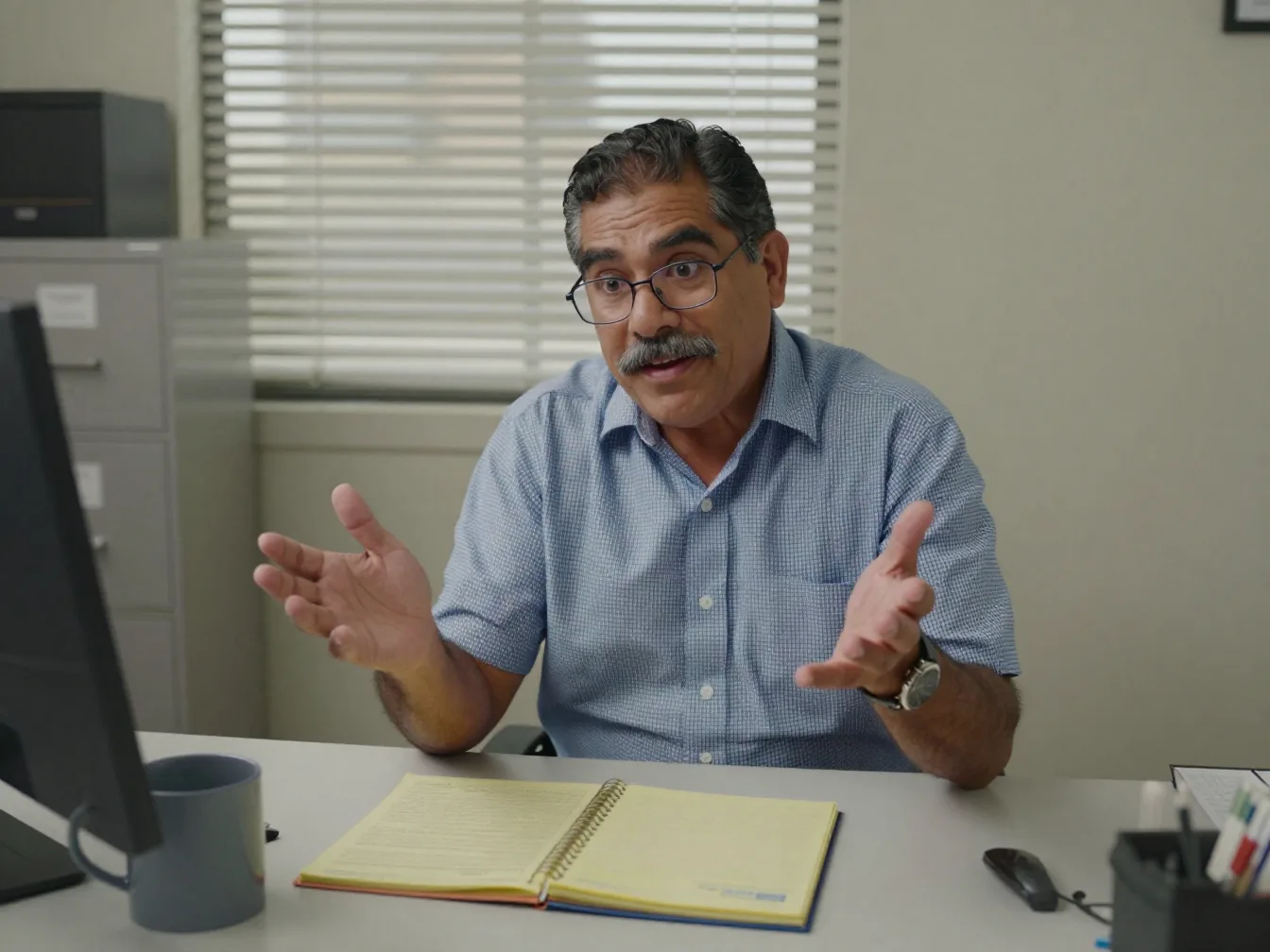
The question was one line. The answer keeps adding pieces: a second explanation, a backtrack, an anyway, what I meant was. Nervous talkers often do this, and a listener can hear the answer drifting from what was asked.
Length alone says little. People also run long when they are excited or know the subject well.
Record yourself answering a question you expect at work, then play it right after the question. If your answer stops close to where the question did, this one probably isn't yours.
What anyone remembers afterward

Ask a coworker the next day what you said in your introduction, or what you wore. Gilovich, Medvec and Savitsky (Journal of Personality and Social Psychology, 2000) had participants wear a T-shirt with a flattering or potentially embarrassing image, and the wearers overestimated how many observers could recall it. In a group discussion, participants overestimated how much their own remarks stood out.
The authors' explanation: each of us anchors on our own full experience of the moment and adjusts too little for the outside view. These were lab studies, so they show a tendency, with no promise about any one meeting.
What the person across the table already assumes

At an interview, a candidate pulls out a sheet of questions. Alison Green, the Ask a Boss columnist at The Cut, calls that very normal. She reminds nervous candidates that the employer almost certainly thinks they are qualified, and that no one gives a perfect interview.
The studies were lab and classroom speeches, and ratings record what listeners said. MacInnis and colleagues concluded that audiences are typically not very accurate at detecting a speaker's private anxiety. A small later thesis found results not consistent with that earlier work on being told about the gap.
One step did help in lab studies by Brooks (Journal of Experimental Psychology: General, 2014): saying out loud that you are excited led to better performance than trying to calm down.