Is Sleeping in Separate Bedrooms Bad for a Marriage?
What the people who study couples say

There is very little systematic research on what sleeping apart does to a couple's closeness, and what exists does not follow couples over years. So nobody can promise it is harmless either.
Wendy Troxel, a senior behavioral and social scientist at RAND, was asked in a RAND commentary whether it is bad when partners sleep in separate beds. Her answer: "No, not necessarily." Many couples have told her that sleeping apart saved their relationship.
Dr. Seema Khosla, a pulmonologist speaking for the American Academy of Sleep Medicine, says moving apart is not a sign of a relationship in trouble. Both of them look instead at why a couple moved and how the two of them decided.
What a bad night does to the next day

Think of the last argument that started over coffee after a broken night. In a 2013 two-week diary study by Gordon and Chen, people reported more conflict with their partner after nights of poor sleep.
In a second study, couples talked through a disagreement in a lab. When one of them had slept badly, both read each other's feelings less accurately and the talk ran more negative. They settled things best when both were rested. Stress, anxiety, depression and how happy they were with the relationship overall did not explain it.
These are next-day effects. They still mean that a bed that keeps you both awake has a cost of its own.
How many couples do this

Nobody brings it up at dinner, which makes it seem rarer than it is. In a 2025 online survey of U.S. adults for the sleep academy, 31% said they sleep in another bed or another room at home to accommodate a bed partner. Among people aged 35 to 44, it was 39%. In the 2023 survey, men were more likely than women to say they sleep in another room.
The figures are self-reported. They count another bed in the same room, and occasional nights too, so they do not show how many couples sleep in separate bedrooms every night.
How much better you sleep alone

The guest room is supposed to buy a better night. Measured, the gain is smaller than most people expect, and you may have noticed that on the mornings after.
In a sleep-lab study, 16 women who blamed a partner's snoring for their poor sleep were monitored one night beside that partner and one night alone. Alone, they had less light sleep and woke less often, but total sleep, deep sleep and dreaming sleep did not change. In a 90-day diary study of 45 snorers and their bed partners, changing who slept where did not improve how well anyone said they slept.
Both studies are small, short and only about snoring couples.
Older couples in Taiwan
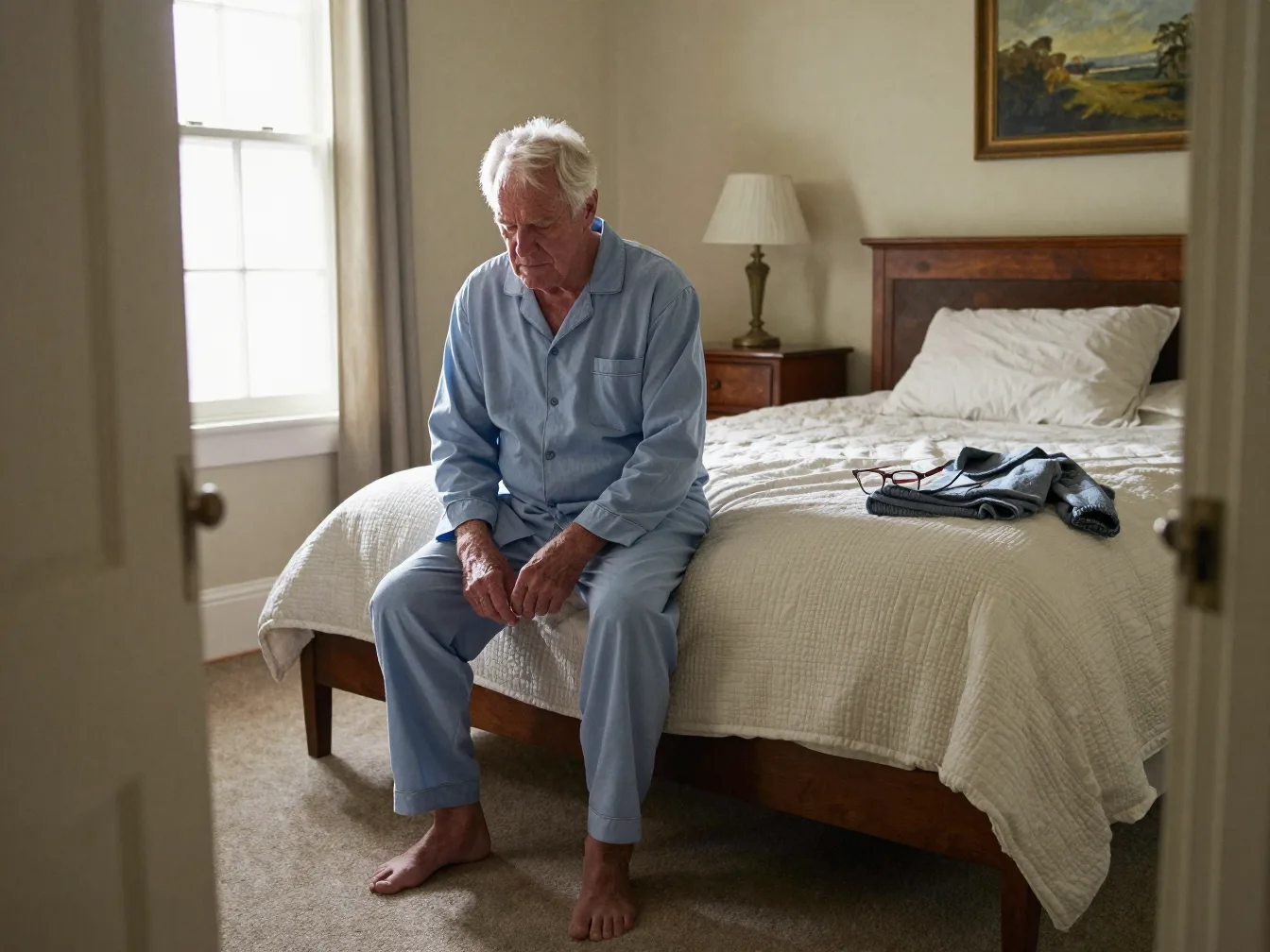
One set of findings leans the other way. In a 2021 survey of 1,645 older parents in northern Taiwan, married parents in separate bedrooms were more likely than bed-sharing couples to feel lonely, even after sleep problems were taken into account.
A 2025 study of 860 older married couples in the same region linked separate rooms with lower happiness and life satisfaction. The link held after allowing for how good the relationship had been earlier.
Both are surveys of older people in one region. They show the two things going together and cannot say which came first. Couples already in trouble may be the ones who moved apart.
How the move was decided

In some houses it was agreed at the kitchen table. In others, one partner gave up at three in the morning, and nobody said a word about it afterward.
When snoring forces one person out, Troxel wrote in a 2021 RAND commentary, it is hardly a decision at all. It is closer to an act of desperation, and it can leave the other partner feeling hurt and abandoned. For her, what counts is how a couple gets there, with both of them heard.
Separate beds have not always looked like trouble. In the Victorian era, she notes, they were common and a mark of wealth.
What happens to time in bed together
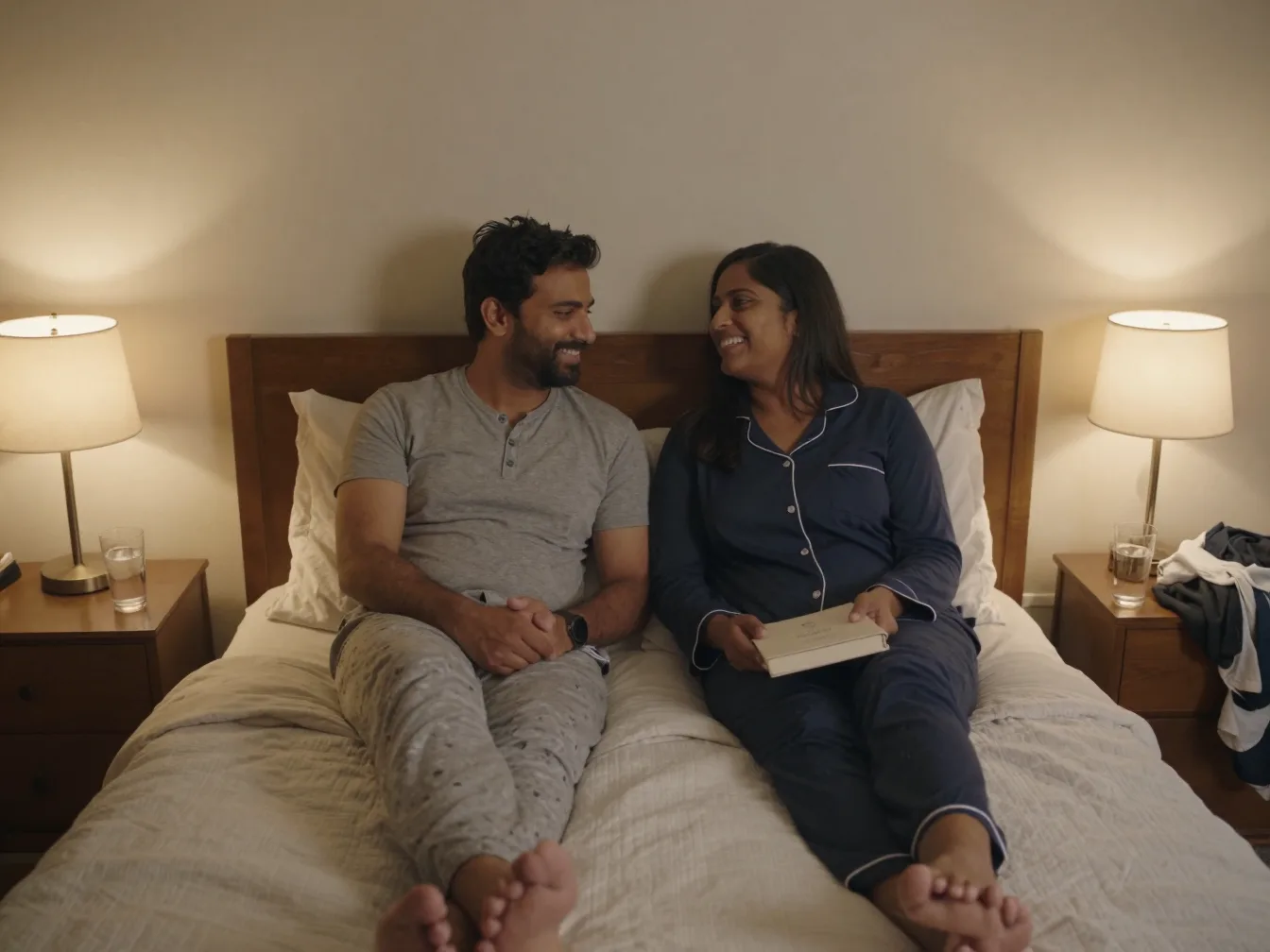
The usual fear is that closeness and sex go when the shared bed goes. Troxel calls this the big concern and says sleeping apart does not have to mean a sexless or loveless relationship.
Her suggestion is to plan for it: keep some time together in bed before sleep, then go separate ways at lights out. She describes a couple in their late twenties, a night owl and an early bird. After they moved apart their resentment eased, and they came to value their time together more.
That is one couple, described by one clinician. You already know whether your evenings still have that time together.
When the snoring gets treated
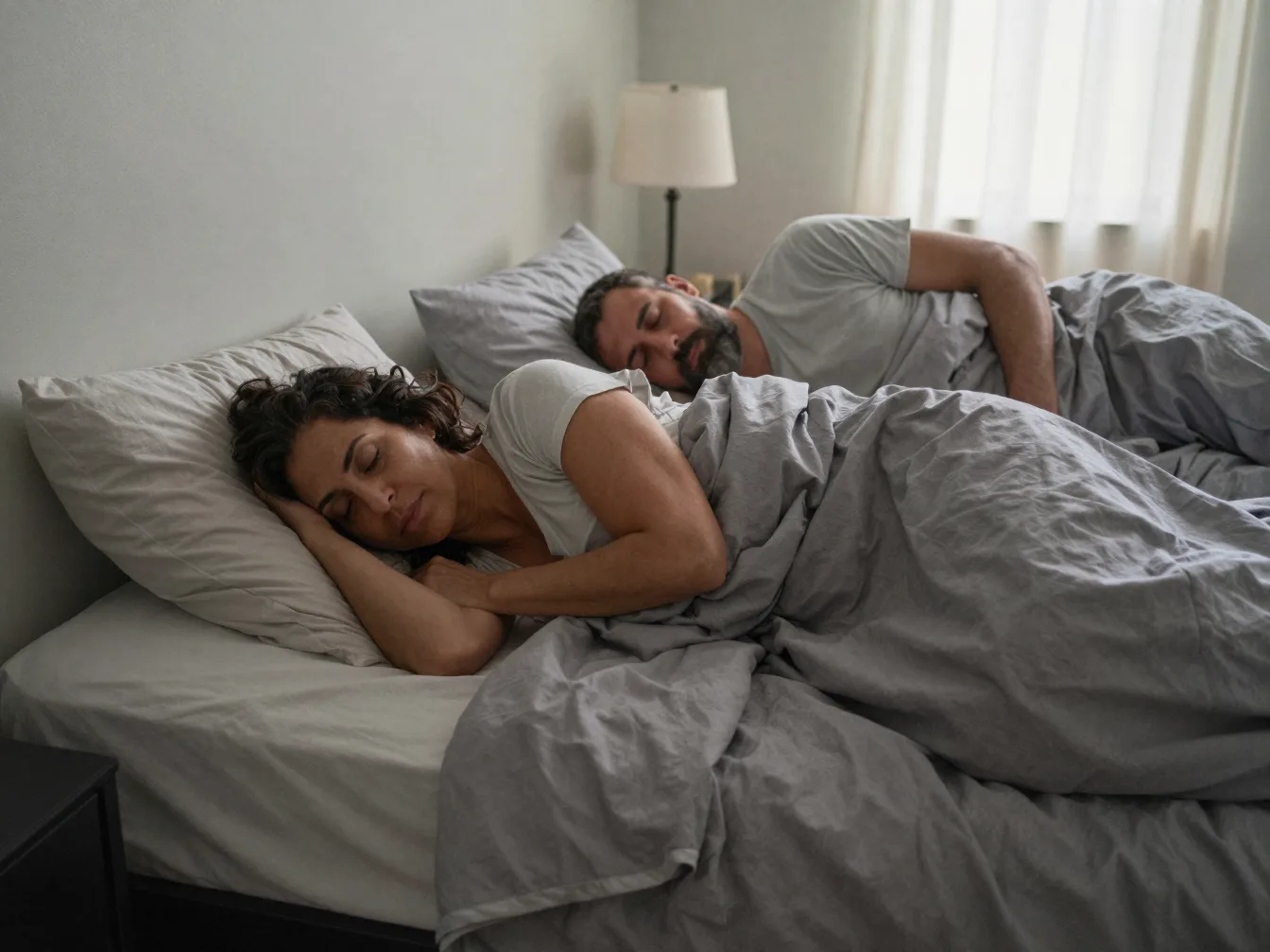
A move made because of snoring can be undone. At a hospital in Portugal, researchers surveyed patients being treated for a breathing problem during sleep, most of them men. Of those patients, 41% slept apart from their partner at least once or twice a month, and snoring was the partners' main complaint.
After treatment, 72.4% started sleeping together again. It is a small study of people with a diagnosed condition at one hospital, so it says little about everyday snorers.
The sleep academy says a partner's loud snoring is worth raising with a doctor.
Where your own case begins
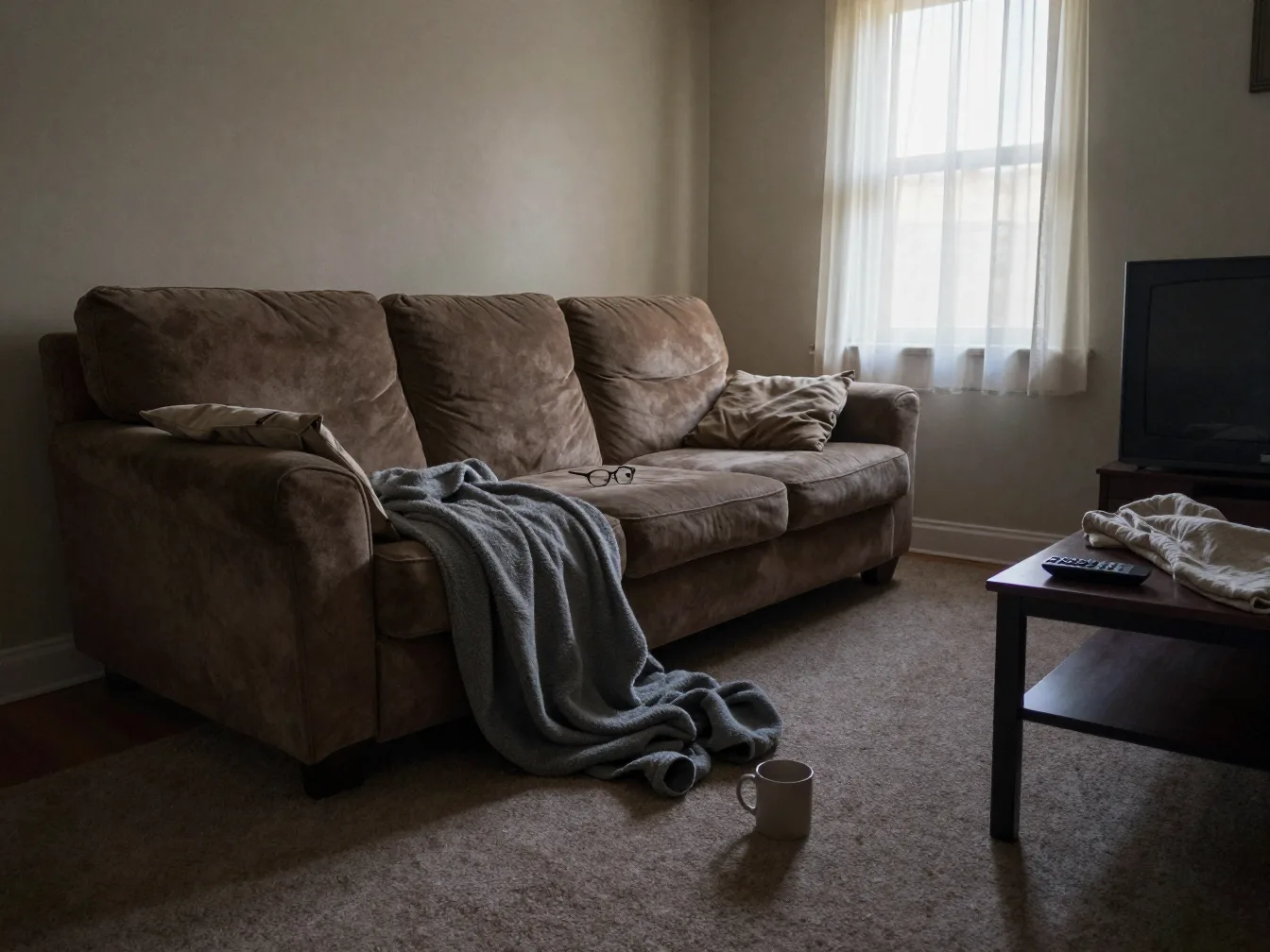
A shared bed is the one daily sign most couples have that things are fine, so losing it feels like news even when the cause is a snore. The room can also be a symptom. A couple already drifting apart may use the spare room to avoid each other, and then the room takes the blame.
The studies are small and short, and the loneliness findings come from older couples in one part of Taiwan. Why you moved and whether you both agreed to it count for more than any of them can measure.
What you can check is what each of you gets from it: more rest and an evening that still belongs to both of you, or a closed door that means nobody has to talk.