Why Honest People Look Guilty When They're Questioned

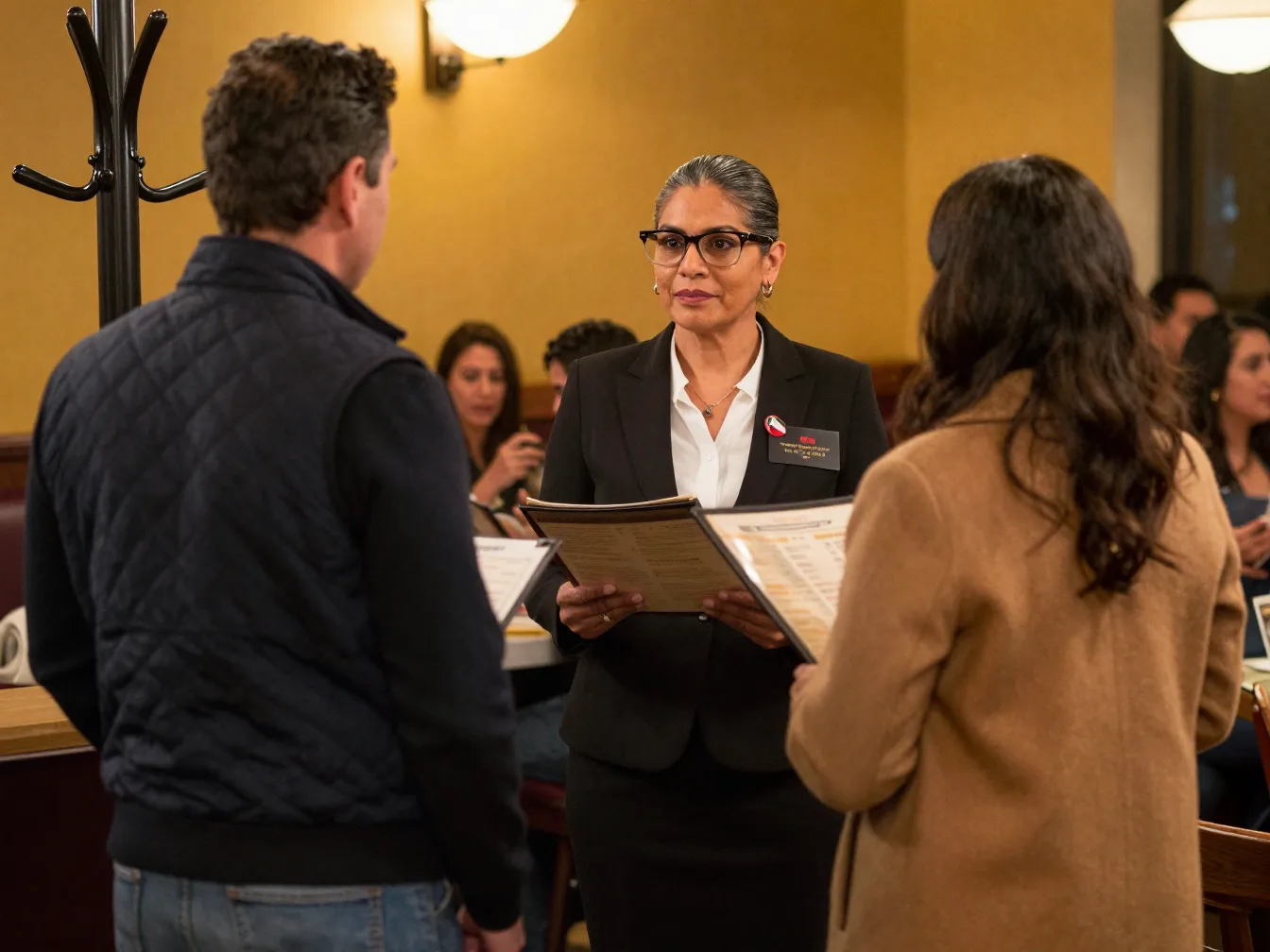
The alarm at the store exit beeps, and a guard steps in front of you and asks to see your receipt. You paid, but your eyes go to the floor and your hand digs in the wrong pocket while he waits.
Your eyes drift away while you think of the answer
He asks what time you came in, and your eyes go up to the ceiling while you work it out. Most people read that as the classic giveaway. When the Global Deception Research Team asked residents of 58 countries, mostly university students, how to spot a liar, looking away came up far more than any other answer (Journal of Cross-Cultural Psychology, 2006).
The same team noted that in Western research, people look away nearly as often when telling the truth. David Matsumoto and three co-authors, writing for investigators in the FBI Law Enforcement Bulletin in 2011, reported that almost every peer-reviewed study on eye behavior and lying rejected the link.
You look nervous as soon as someone official starts asking
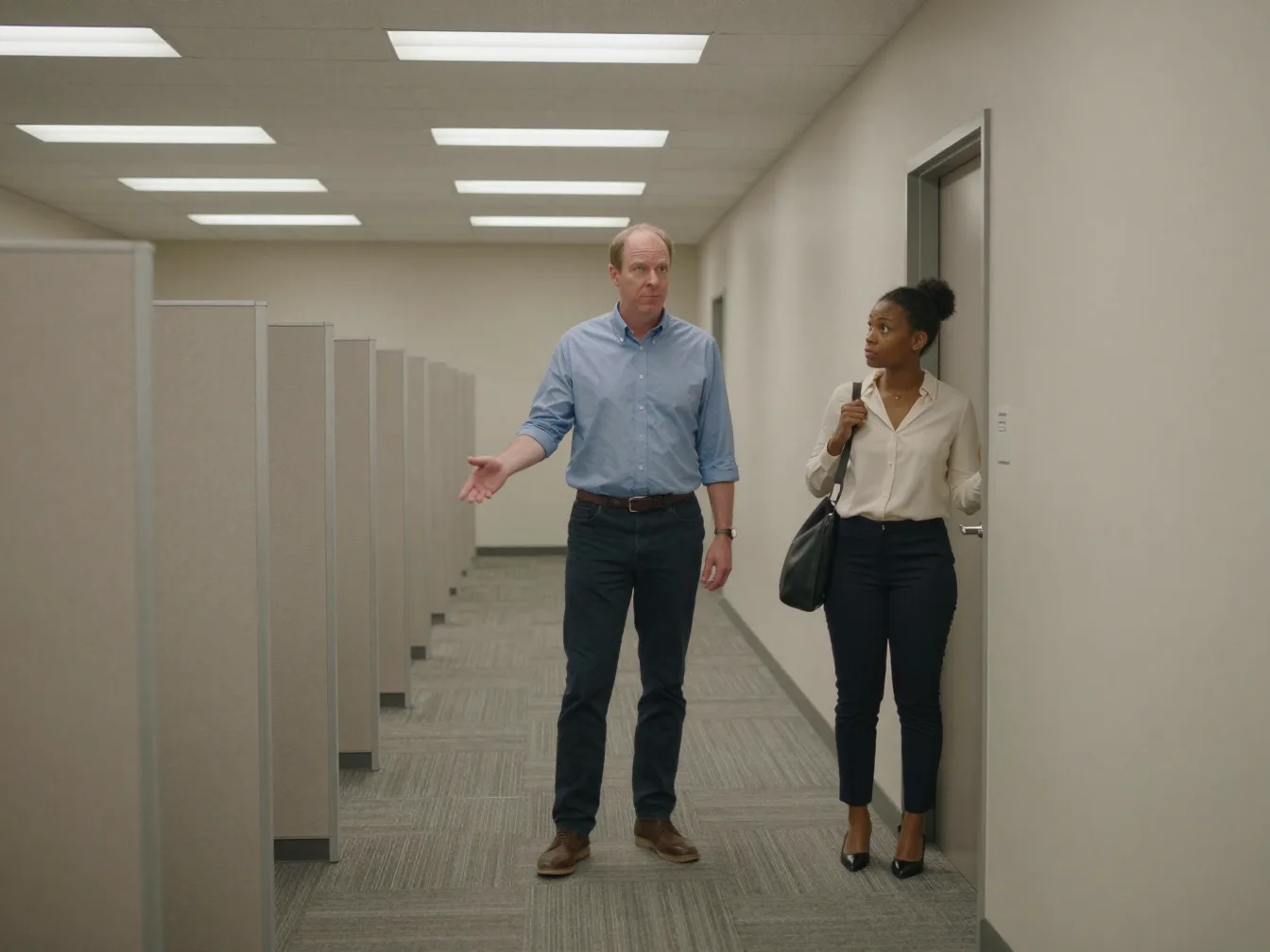
A patrol car pulls in behind you, or a manager says can we talk, and your pulse jumps. Lt. Brian D. Fitch of the Los Angeles County Sheriff's Department wrote in the same bulletin in 2014: "Another myth is the belief that only guilty people appear nervous." Innocent people facing accusing questions, he adds, often fidget and stumble over words.
The people judging don't reliably sort it out either. In experiments reviewed by Kassin and Gudjonsson (Psychological Science in the Public Interest, 2004), police investigators watching taped denials of mock crimes like shoplifting were right 50 percent of the time and were more confident than college students. Meissner and Kassin (2002) found training and experience didn't raise accuracy. Both made investigators quicker to call a statement a lie.
A plain question makes you stop, restart or lose a detail

The manager asks where you were last Tuesday afternoon. You start, stop, start again, and get the time wrong before fixing it.
Listeners can count it against you. Pooling 153 samples of lie judgments in a 2011 meta-analysis in Psychological Bulletin, Hartwig and Bond found verdicts of lying were strongly tied to the speaker coming across as incompetent or of two minds. They also concluded the real cues to deception are weak.
Fitch notes that innocent people under accusing questions often make speech errors. If someone has told you that you don't sound sure, you've heard this judgment out loud.
Your hands go to your face, your hair or your pockets
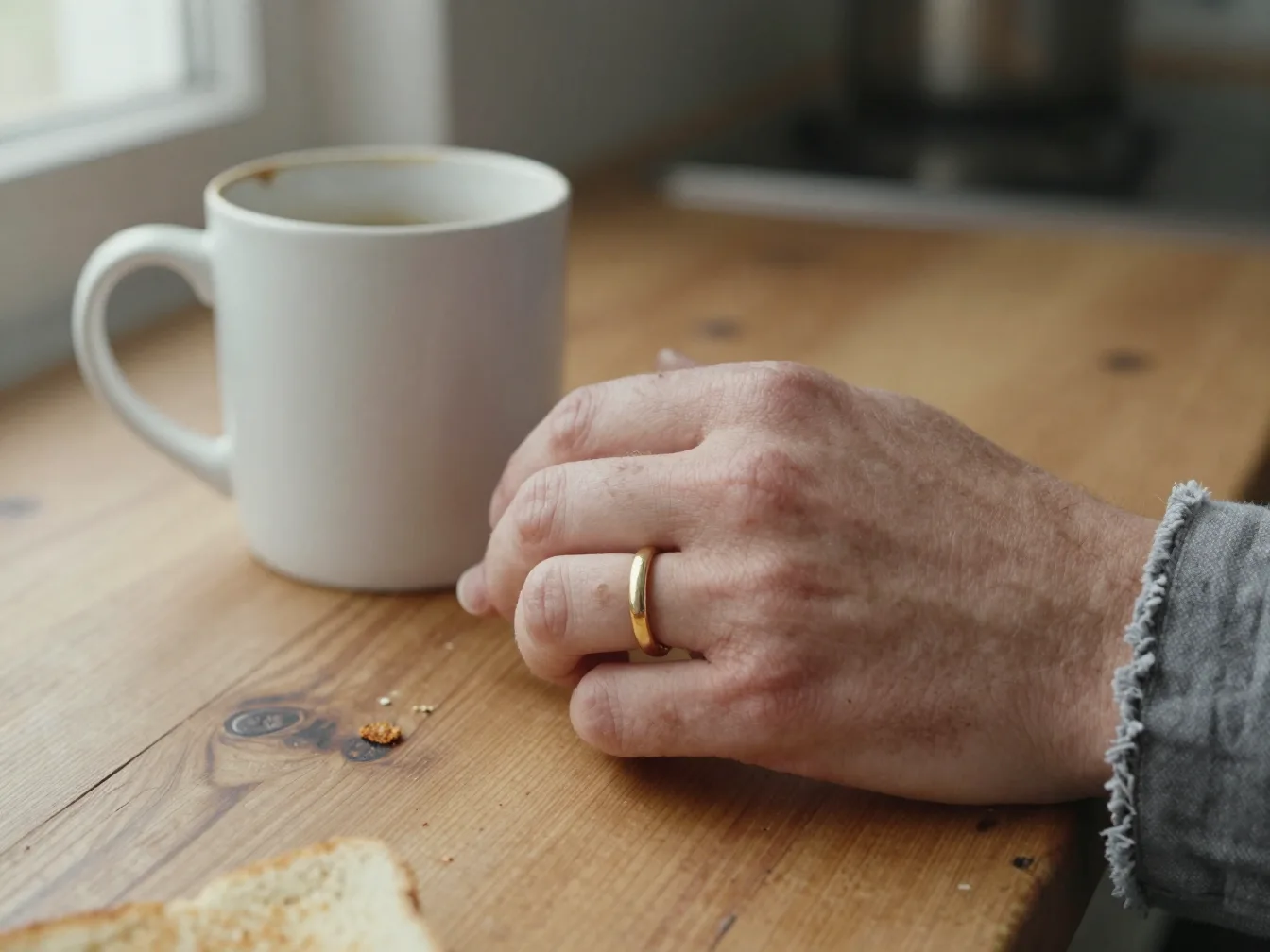
A question lands, and a hand goes up to rub your neck or twist a ring. Joe Navarro, a retired FBI special agent from the bureau's Behavioral Analysis Program, calls these touches pacifiers in a 2012 bulletin piece: the body calming itself under stress. He writes that stress indicators don't settle whether someone is lying.
Watching for them can mislead. Mann, Vrij and Bull (Journal of Applied Psychology, 2004) had 99 police officers judge real suspects' taped interviews. Officers who said they watched for fidgeting and looking away scored lowest; those who followed the story did better. If friends have teased you about touching your face when you're put on the spot, this is the habit they saw.
You get sharp when someone doubts you

The clerk asks whether you actually paid for what's in your cart, and you've said are you serious? in a harder voice than you meant.
Navarro writes that once an interviewer turns accusing, a negative emotional reaction usually follows, the one most people feel when blamed, and it hits the innocent as well as the guilty. Past that point, he says, what the interviewer sees comes from emotion, and guilt can't be read from it. Fitch adds that an aggressive style pushes anxiety higher in anyone.
Someone who stays mild when doubted won't recognize this. If you've snapped at a doubting question while telling the truth, you will.
You work hard at looking honest
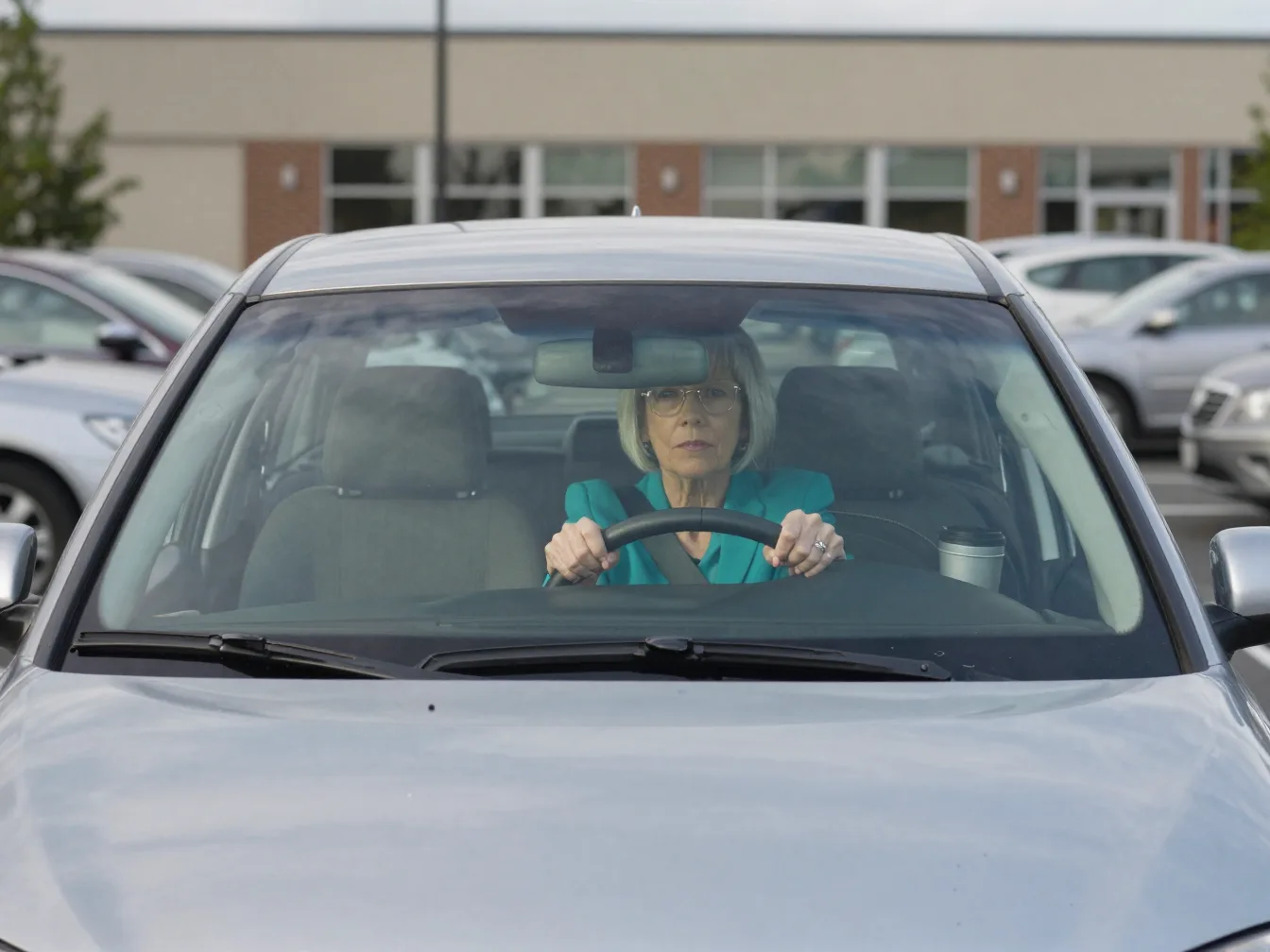
The meeting with HR matters, so you rehearse your answer in the car and make yourself hold eye contact the whole time.
Wanting badly to be believed can count against you. In a 2006 meta-analysis in Personality and Social Psychology Review, Bond and DePaulo compared lie-judgment studies. Speakers with a reason to want to be believed came across as less honest: video viewers judged them truthful less than half the time, while speakers with nothing at stake were judged truthful more than half the time. The authors suggest people afraid of being disbelieved may come to resemble the stereotypical liar, lying or not.
It's a comparison across separate lab studies, many with small stakes. People who just answer are outside it.
A question touches something private that has nothing to do with it
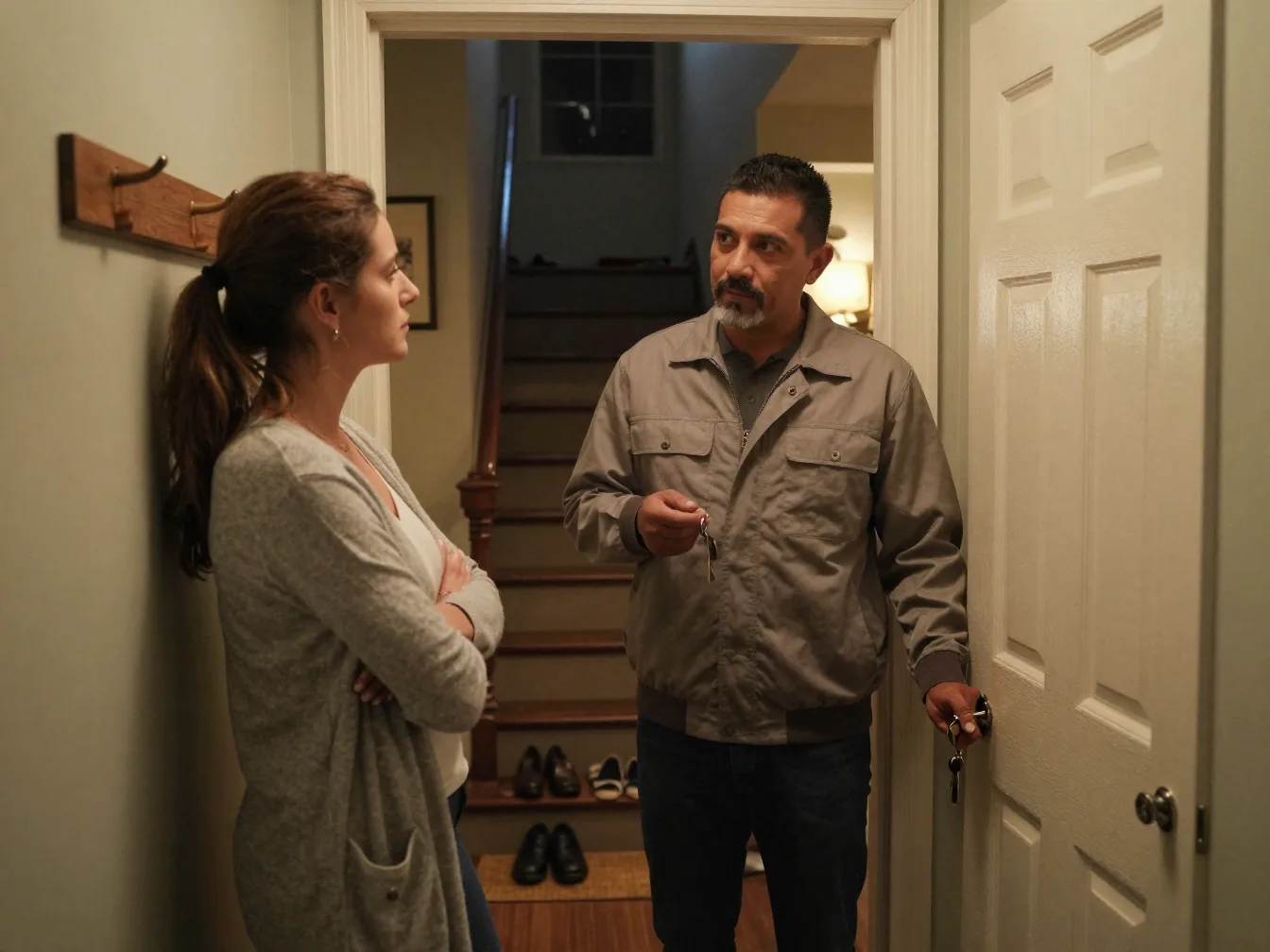
A blunt where were you Thursday? can snag on something else: a job interview you didn't mention at work, a half-truth told at home. The face reacts, and the person asking can't tell which secret it's reacting to.
Fitch gives investigators an example. Someone questioned about a spouse's murder may show fear and guilt when asked where they were, and still be innocent. Maybe they were having an affair at the time. The fear of being found out is real, and so is the guilt, but neither belongs to the crime. Feelings, he writes, don't show where they came from. Navarro adds that reactions follow the substance of a question and how it's asked.
You feel sure all of it shows

The guard at the exit has never seen you relaxed. Fitch writes that investigators should learn how a person looks and sounds when speaking truthfully before reading anything into a change. John E. Reid and Associates, a firm that trains investigators, says in its own paper that no behavior is unique to deception and that behavior is no substitute for evidence. No study can say how one guard read you that afternoon.
The sense that your face is giving you away has been measured. In lab experiments, Gilovich, Savitsky and Medvec (Journal of Personality and Social Psychology, 1998) found people overestimate how well others read their inner states. In a later lab study of short speeches, Savitsky and Gilovich (2003) found nervous speakers who were told this looked more composed, and their speeches were rated better.