Have People Stopped Counting on You Without Saying So?
A spare person lined up behind your yes
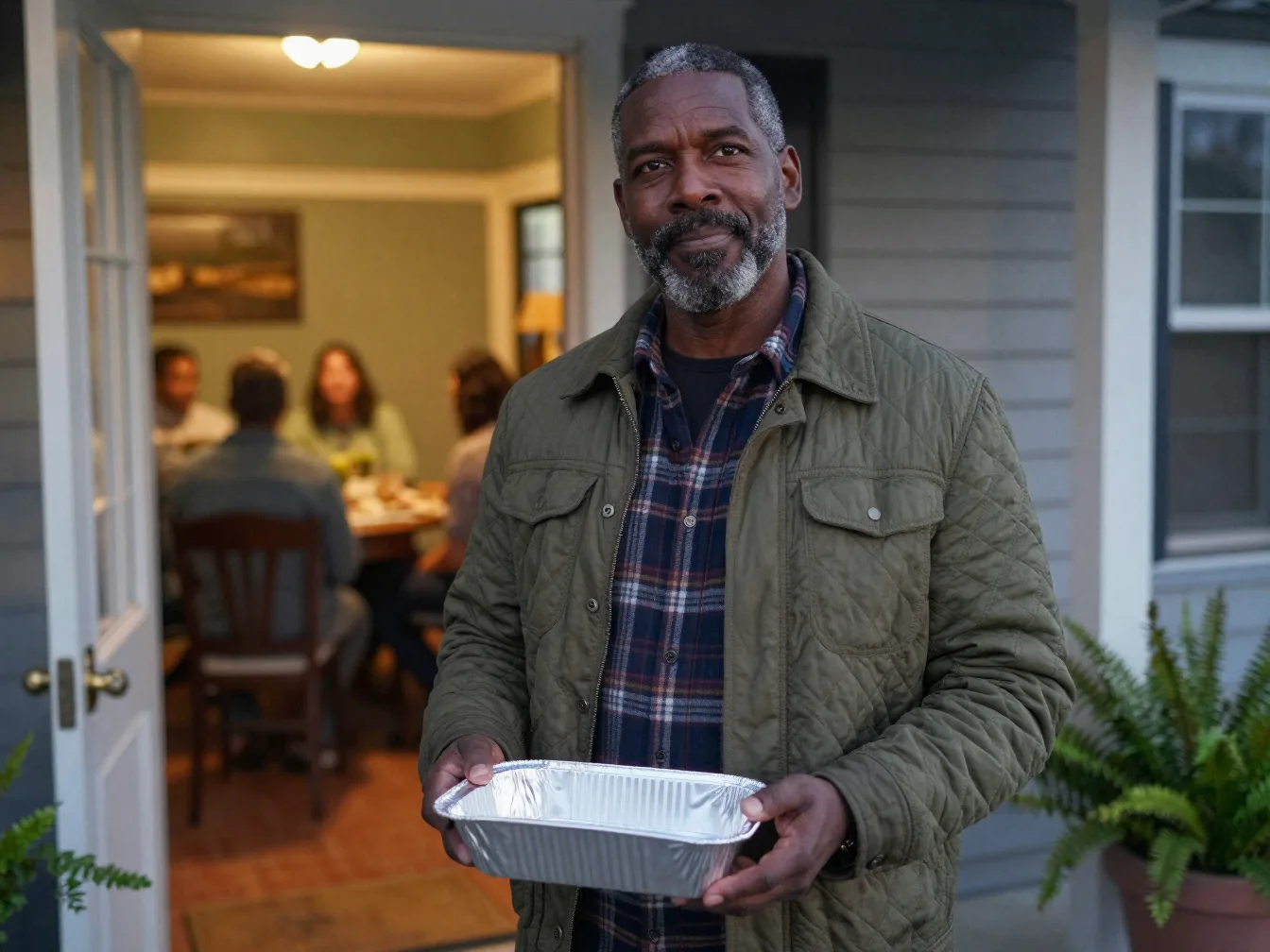
A volunteer coordinator filling a Saturday shift treats a yes as half a plan. HometownLift, which sells volunteer-scheduling software, tells coordinators to keep standbys for any event that can't run short: people off the schedule who get first call if someone drops. Julie Comfort, an experience designer who writes on Substack about her 16-plus years in the wedding industry, invited more guests than she could seat because not everyone would come.
So yes, people often adjust before saying a word, and it shows: a backup behind your slot, a check-in text that reaches you and not the others. Some of that is routine; event planner Divine Mwimba told the Ottawa Sun that hosts should follow up because people forget. It means more when it keeps landing on you.
A deadline missed by a single day

A flyer handed in a day late gets rated lower than the identical flyer handed in on time. Fang and Maglio found this across eighteen experiments and studies, published in 2024 in Organizational Behavior and Human Decision Processes, in which thousands of adults in the US and UK, managers among them, rated the same work labeled early, on time or late.
The late maker seemed less competent. A day late counted the same as a week, one miss hurt even someone with an on-time record, and raters said they would be less likely to give that person other tasks. A reason outside the person's control, such as jury duty, softened it.
Raters scored work and said what they would do, not what real colleagues did next.
How and when you cancel plans
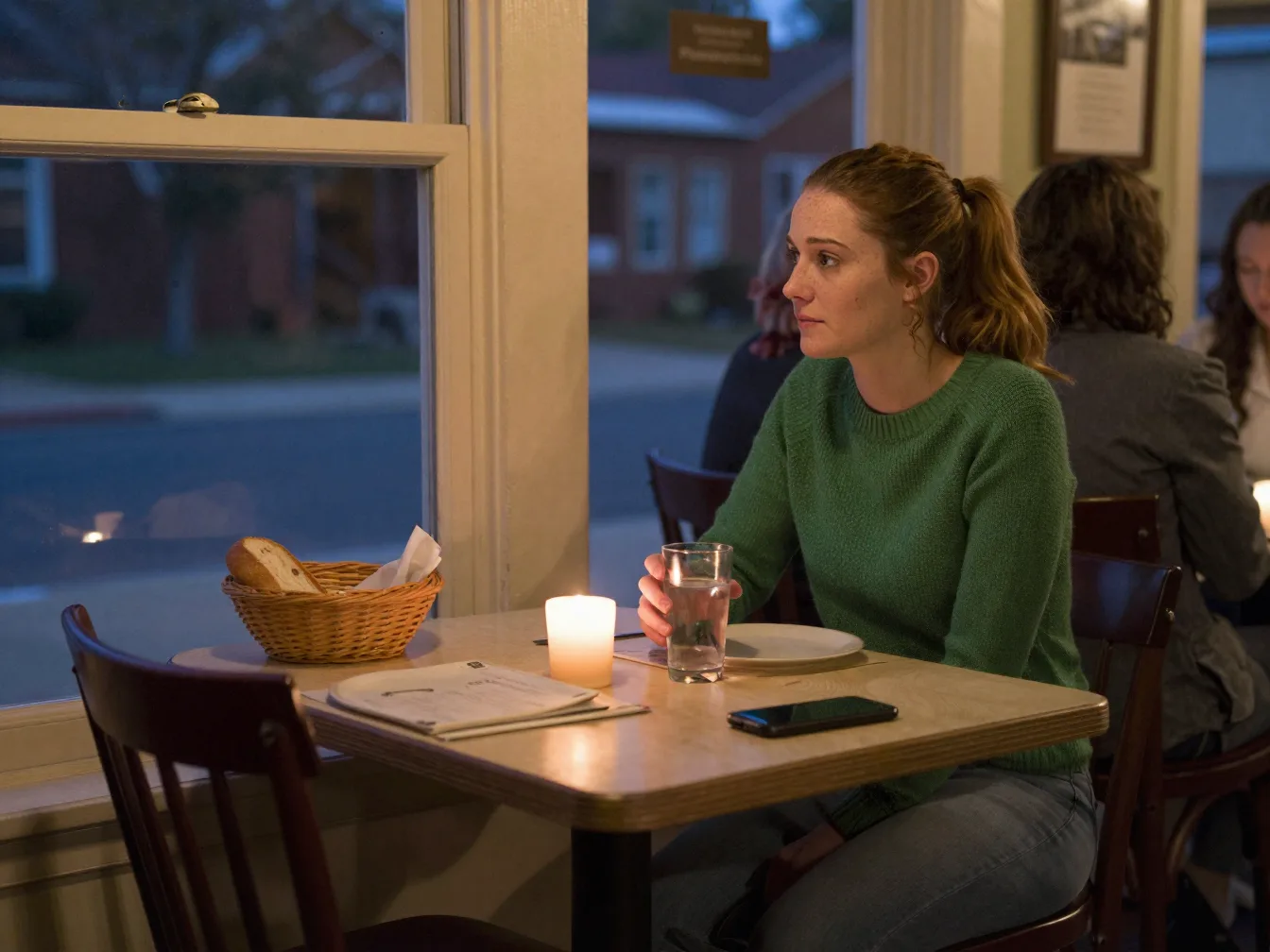
Dinner is at six, and the text goes out at 5:40: so sorry, something came up. Scroll your sent messages and check how far ahead your cancellations went out, and what reason each gave.
Caron, Chopik and colleagues surveyed 1,192 people, mostly women and White, for a 2023 paper in Collabra: Psychology. Most wanted advance notice or at least a quick call or text. Health and family reasons ranked among the most acceptable excuses, a better offer among the least, and most were annoyed to find an excuse was a lie.
That is what people say they would accept, which may differ from how they treat a friend. An emergency is its own case; in Mwimba's words, "An emergency is understandable for everyone."
Who texts you when they're stuck
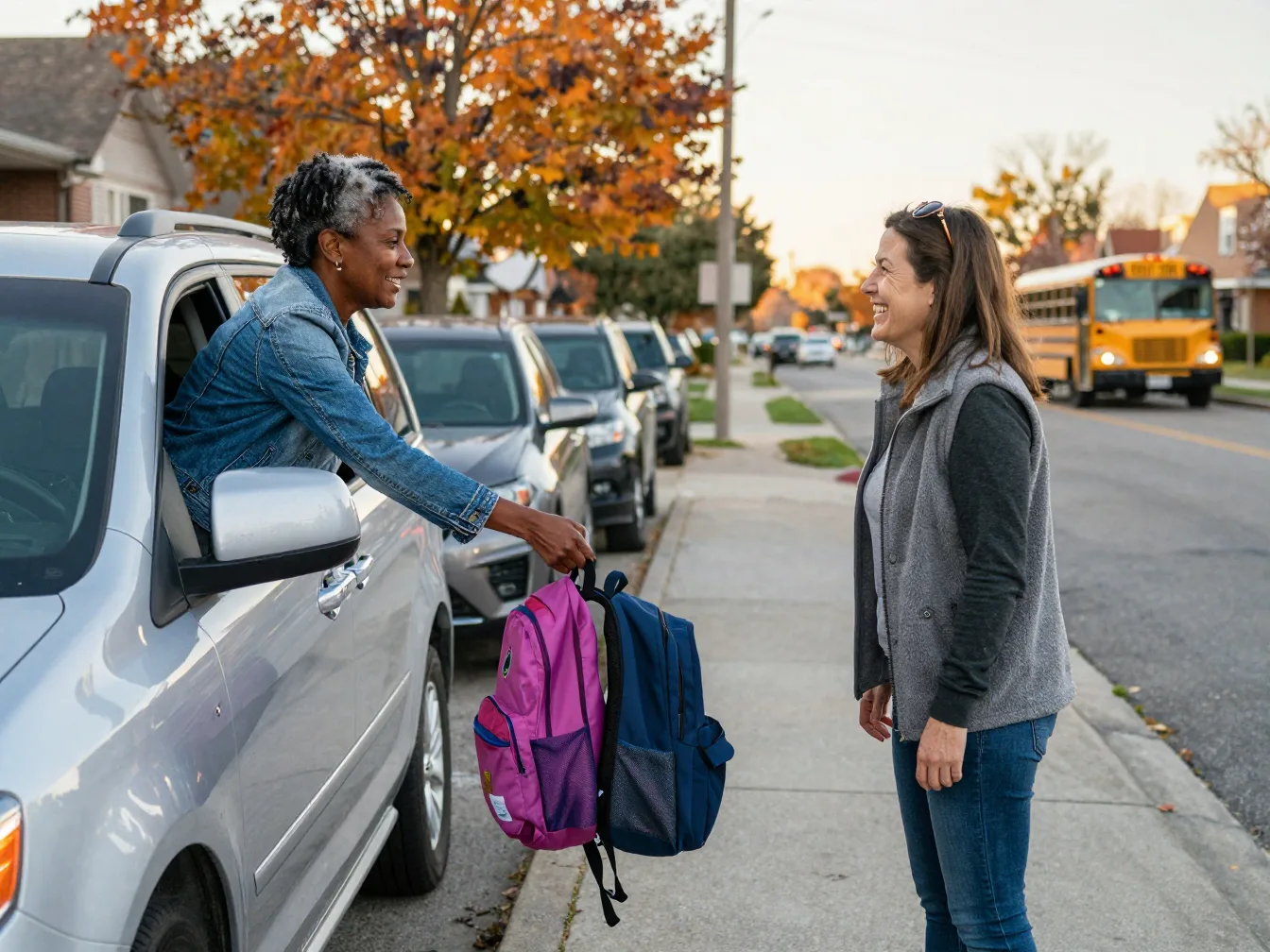
Friday afternoon: any chance you can cover tonight? That kind of message goes to a short list. HometownLift's guide tells coordinators to keep a rapid-fill list of proven, flexible volunteers who offered to be texted in a pinch, and to rotate it so nobody gets leaned on every week.
Friends keep the same list without writing it down. Over the last two months, did anyone message you at the last minute to cover a ride, a shift, a sitter or a ticket swap? If so, someone likely has you down as a person who comes through.
If not, it may only mean nobody needed rescuing, or a neighbor was closer.
Plans that already have a date when you hear about them
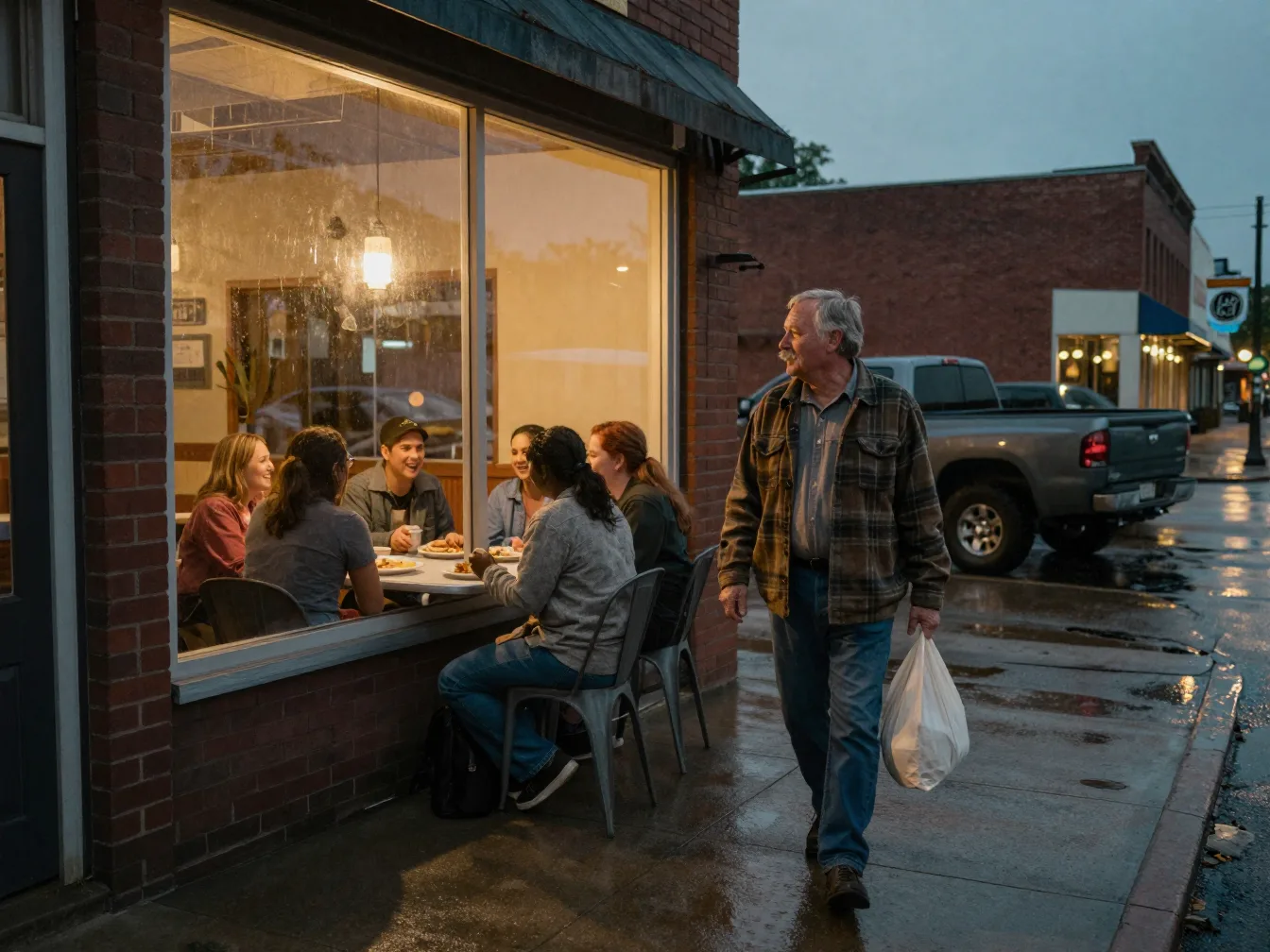
The work project, the trip, the reunion: by the time it reaches you, it has a date and someone in charge. Count how many recent plans you heard about at that stage rather than while they were being argued over.
Sean Goedecke, an Australian software engineer who blogs about large tech companies, describes what follows when someone breaks a senior manager's trust. The direct questions stop, early planning goes on without them, and their name stops coming up when people discuss who should lead what.
Often there's no grudge in it. In another post he writes that managers give important projects to whoever they already know can deliver, and that it's probably not personal. That is one engineer's view.
Yeses you gave weeks in advance
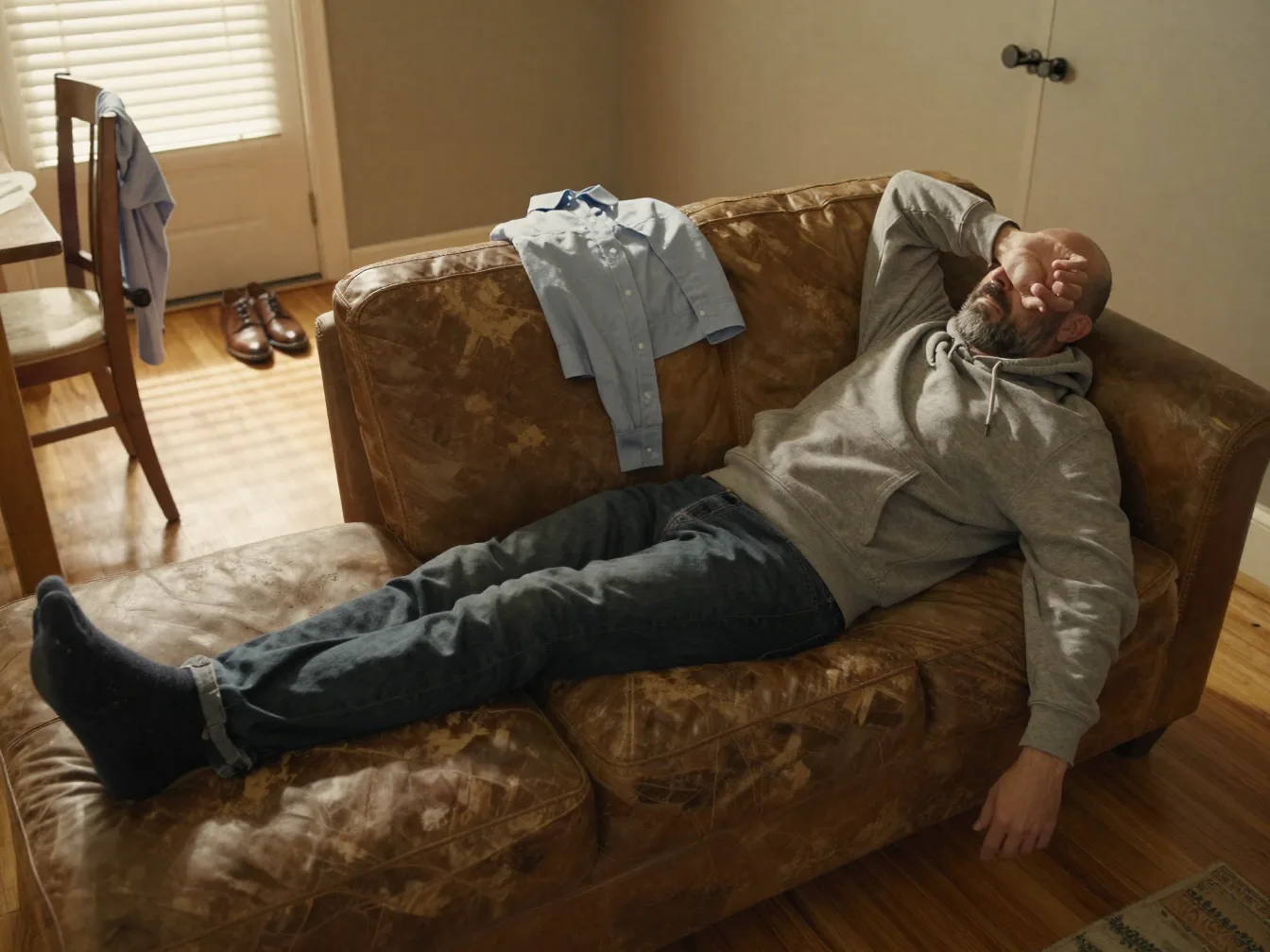
Asked in September, a Saturday in November looks empty, and the yes comes easily. In seven experiments reported in 2005 in the Journal of Experimental Psychology: General, Zauberman and Lynch found that people expect more spare time later than they have now, more so for time than for money.
Open your calendar and find what you agreed to more than two weeks ahead. How many did you attend gladly, and how many got moved or dropped? The people on the other end see only the moves.
If your far-off yeses mostly happen as planned, skip this one. The study measured how roomy the future feels, never broken promises.
The keys and pickups people trust you with
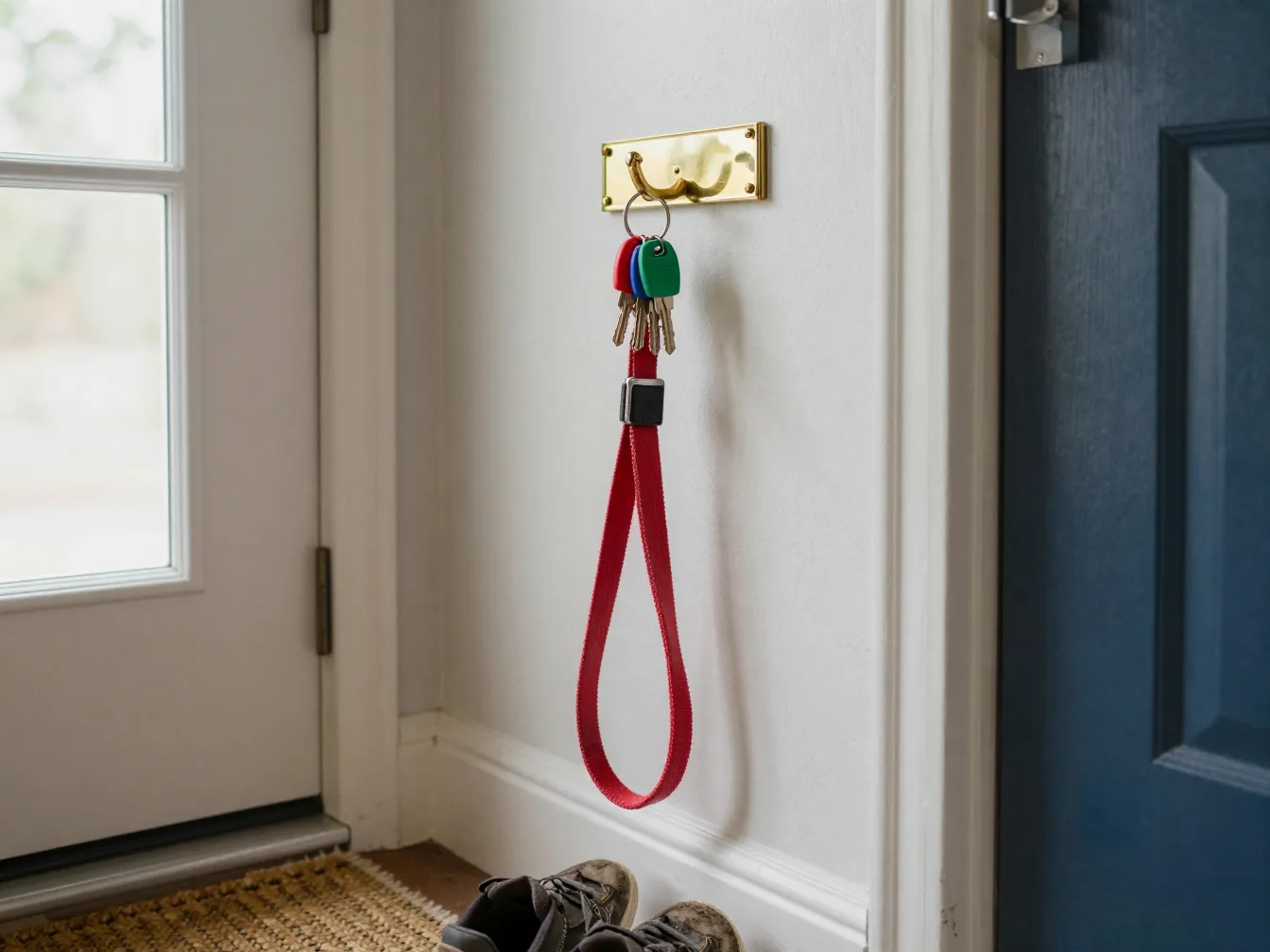
Whose spare key is on your ring? Whose forms list you as the emergency contact, whose kid do you collect when a meeting runs long, whose dog stays with you?
Each is a risk someone took on you, and it would cost them if you dropped it. When that list shrinks over a few years, it can be how the people around you have sorted out who will show up.
It can also mean nothing. People hand keys and pickups to whoever lives closest or has the room, and a move or a new baby reshuffles the list with no judgment in it. Holding three spare keys? Skip this one.
What these signs can't tell you

Nothing here can show whether one particular person has written you off. The studies had people rate work or say what they would accept, and the planners and Goedecke describe their own trades.
Your misses may loom larger to you than to anyone else. In studies published in 2000 in the Journal of Personality and Social Psychology, Gilovich, Medvec and Savitsky found participants overestimated how many others noticed their T-shirt and how much their own remarks stood out in a group.
Tyree Mitchell, an assistant professor at Louisiana State University who studies trust in teams, said in an HBR video series in 2021 to avoid promises you can't keep and to own the misses. Cancel early, with the true reason. At work, Goedecke's route back is small jobs done on time, and letting people know.