Are You the Difficult Customer Without Knowing It?
How you get a bartender's or server's attention
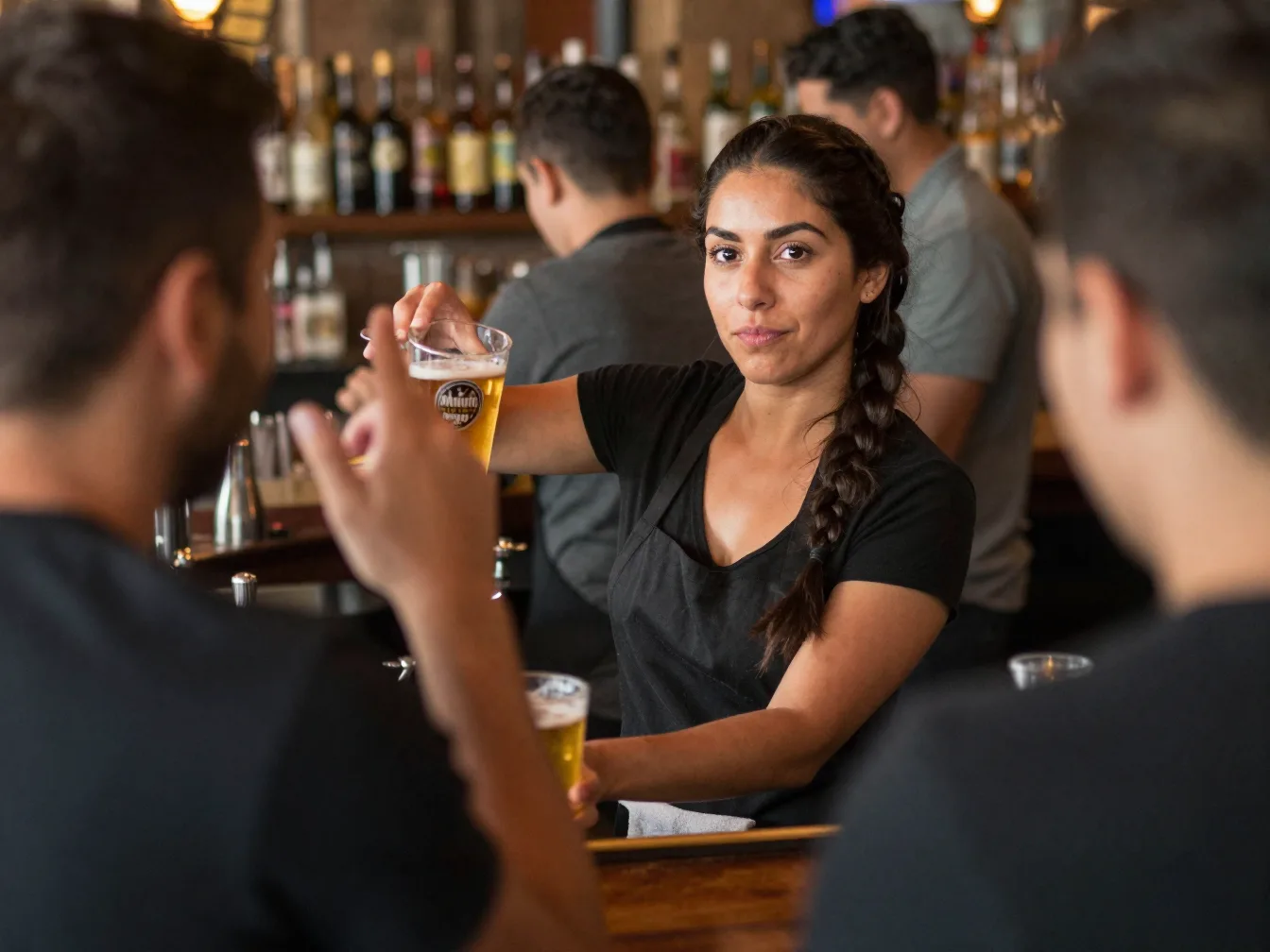
Shaking ice in an empty glass, knocking on the bar, waving the card slip: bartenders told Carlie Hoke, a former bartender reporting for Mashed in 2024, that they tune these out. "Being snapped at is one of my biggest pet peeves," Justin Richie, a service worker of 16 years, told her. Melba Tucker, who owns Downtown Uncorked in Texas, trains her staff to get through finger snappers with patience and low hopes for the tip.
So are you the difficult one? Probably not the way you fear, but it's easier than people think, because staff mostly mean small habits like this. A slow return can also mean the bar is slammed, Hoke notes. Did you wait for eye contact last time?
What happens to the service after you're short with someone
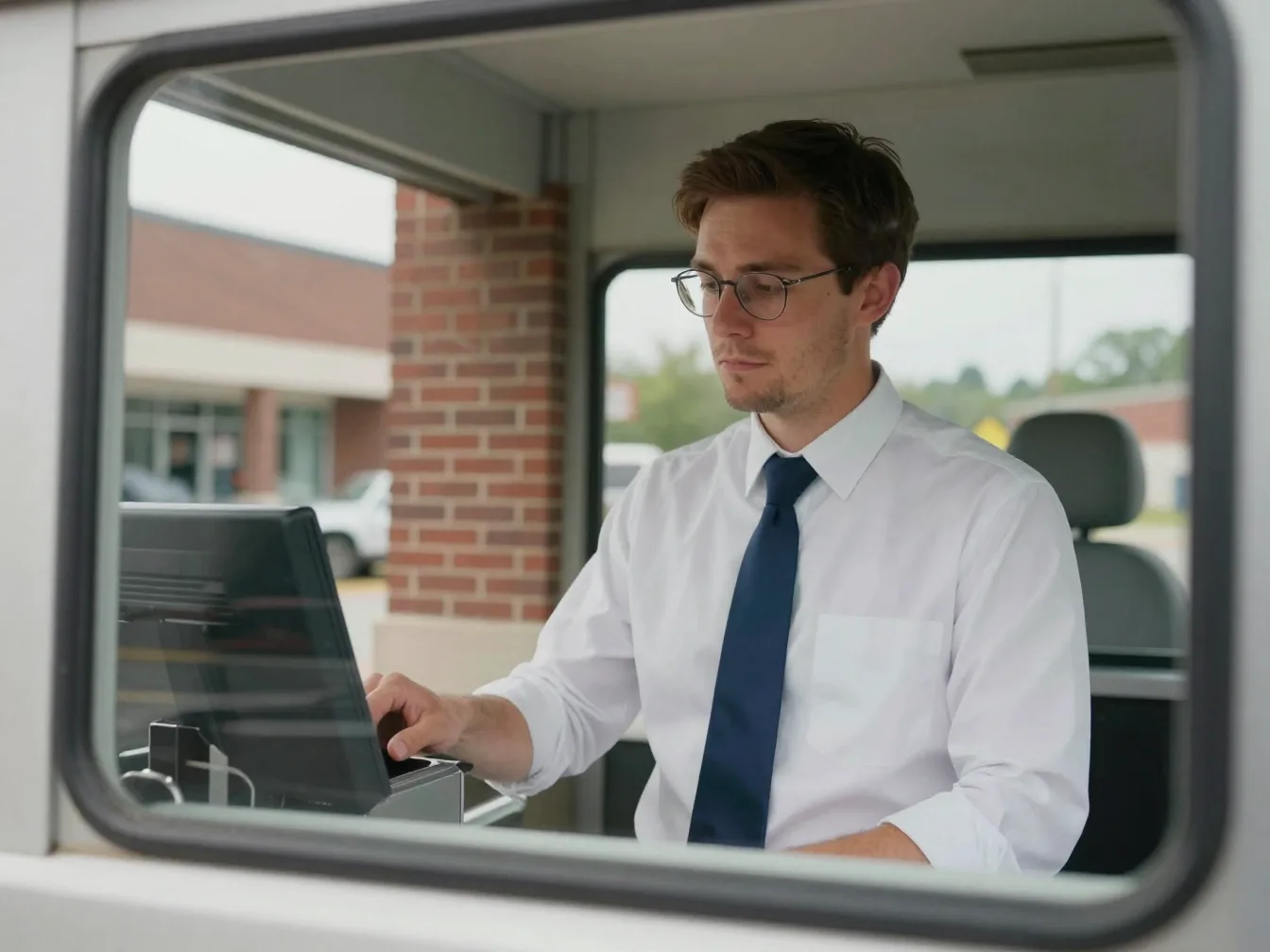
Nobody behind a counter tells you. They're paid to keep smiling, so any change shows up in the service. Sliter, Jex, Wolford and McInnerney (2010, Journal of Occupational Health Psychology) surveyed 120 tellers at a midsized Midwestern bank. Tellers who reported more rude customers also reported more exhaustion and had lower service scores in the bank's own records. One bank, a correlation, nothing about any single customer.
Babin and Darrat, in a 2026 Services Marketing Quarterly study described by the University of Mississippi, found repeated rude treatment wears staff down until some slow the service. Darrat adds that one belligerent customer can spoil things for the next, polite one.
Last time you were sharp with a clerk, did the voice go formal and exact? A bad shift sounds the same.
Saying who you know before you ask
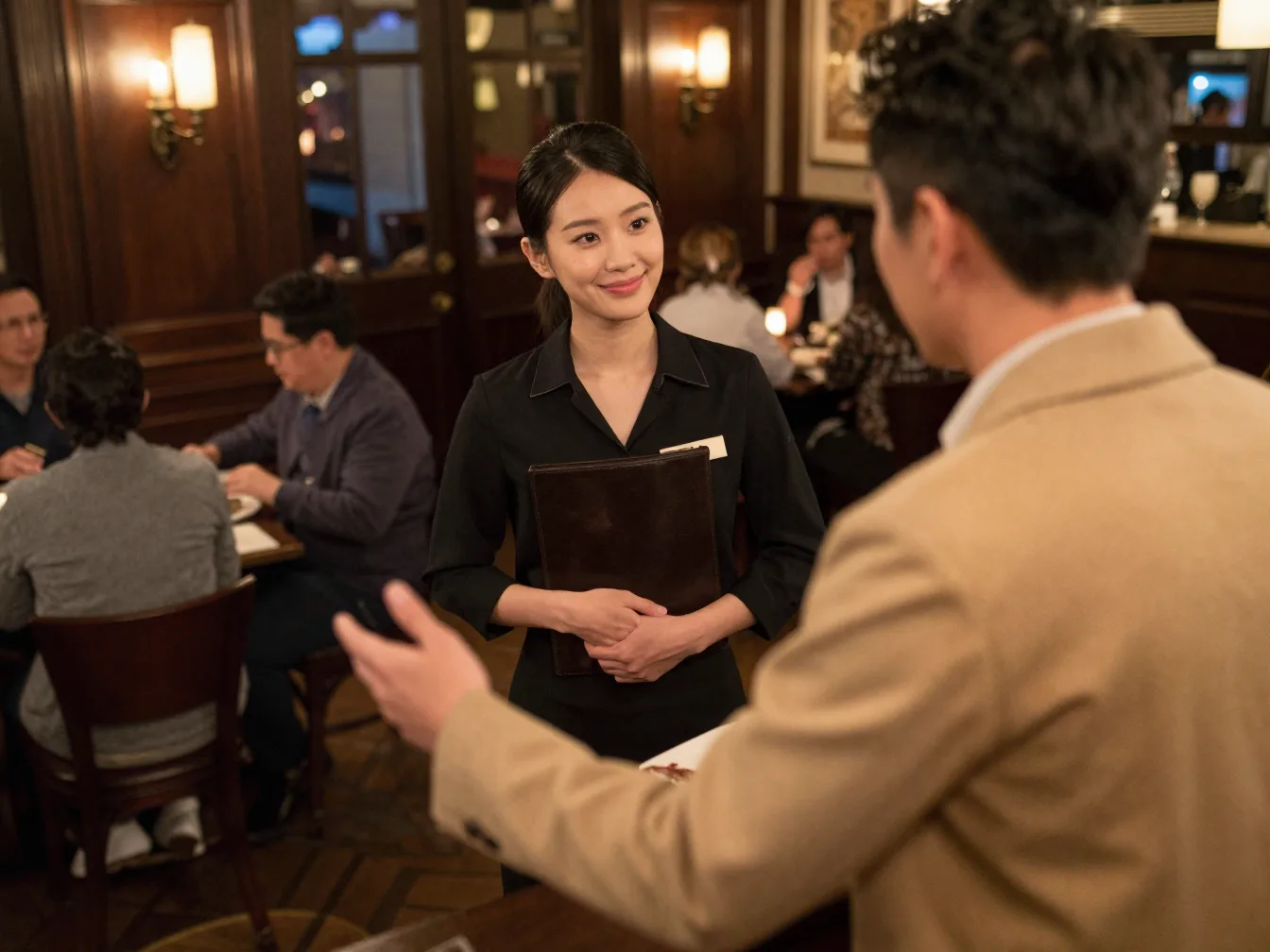
Saturday night, no reservation, and the first thing the host hears is that you know the owner, or that you come here all the time. Steve Dublanica, the waiter behind the blog and bestselling book Waiter Rant, told CNN in 2010 that entitlement is one of the biggest things customers do, and CNN lists those lines among the common ones. His blog adds asking the waiter whether he knows who you are.
A regular asking for a favorite table is a different case; what grates is the name used as a pass. His route to the good table, given to NBC News in 2019: stop by a few days early and pick it with the manager.
When you last asked for an upgrade or a waived fee, was your first sentence the request?
Arriving near closing and staying after you've paid
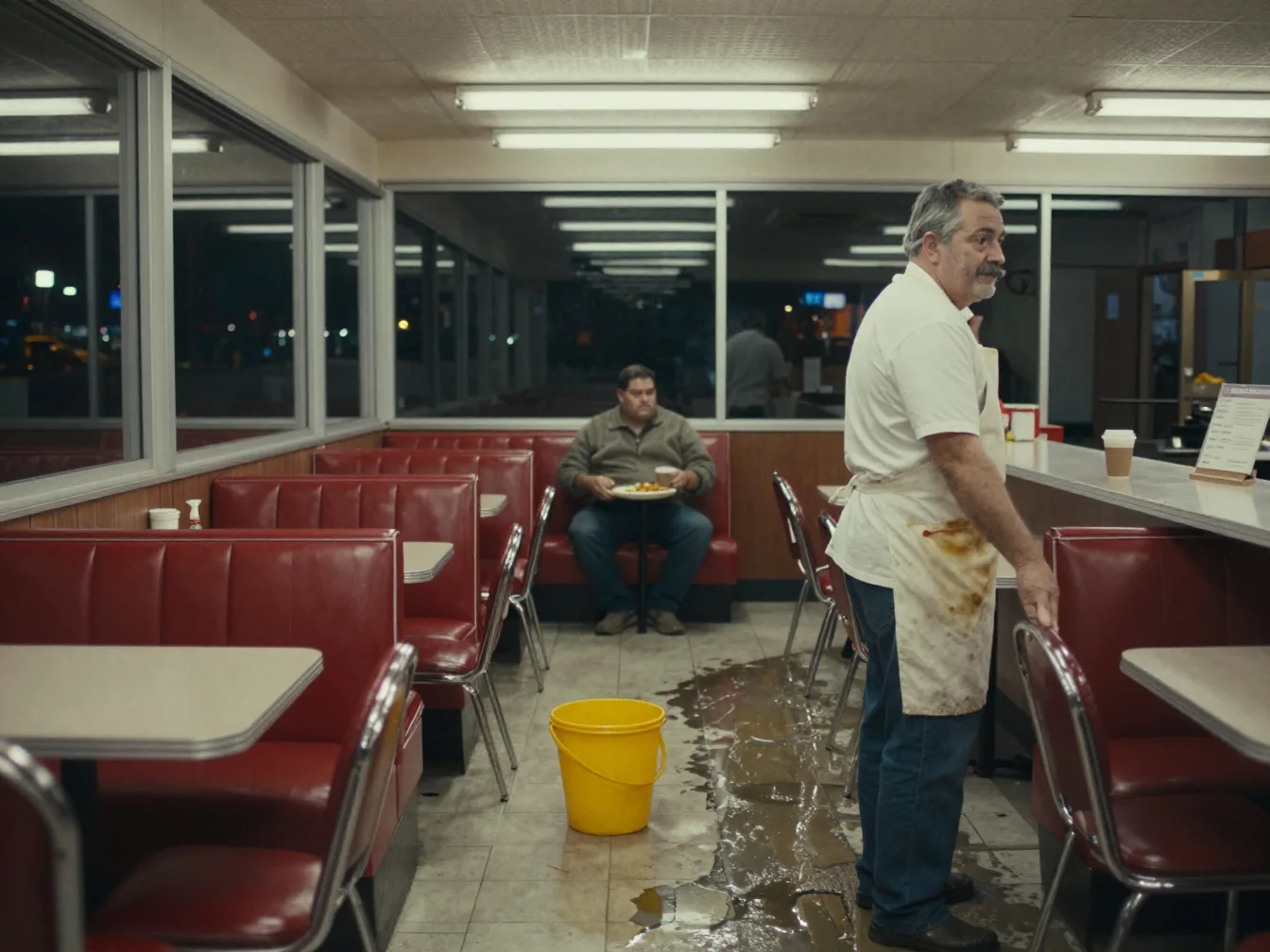
The chairs are going up on the other tables. Someone has started vacuuming. Steven Nicolle, who CNN says spent more than 30 years as a bartender and waiter, calls people who sit long after paying campers. Dublanica told NBC that servers run thinnest at the start and end of a shift, when the kitchen wants to go home.
A late arrival alone is ordinary; people work late and flights land late. Staff notice late arrival plus a long stay. If you come in late, he says, order an entree, ask for the check right away, and leave your card sticking out of the check holder.
How often are you the last table in the room?
The reservation you skipped and the tip on a coupon
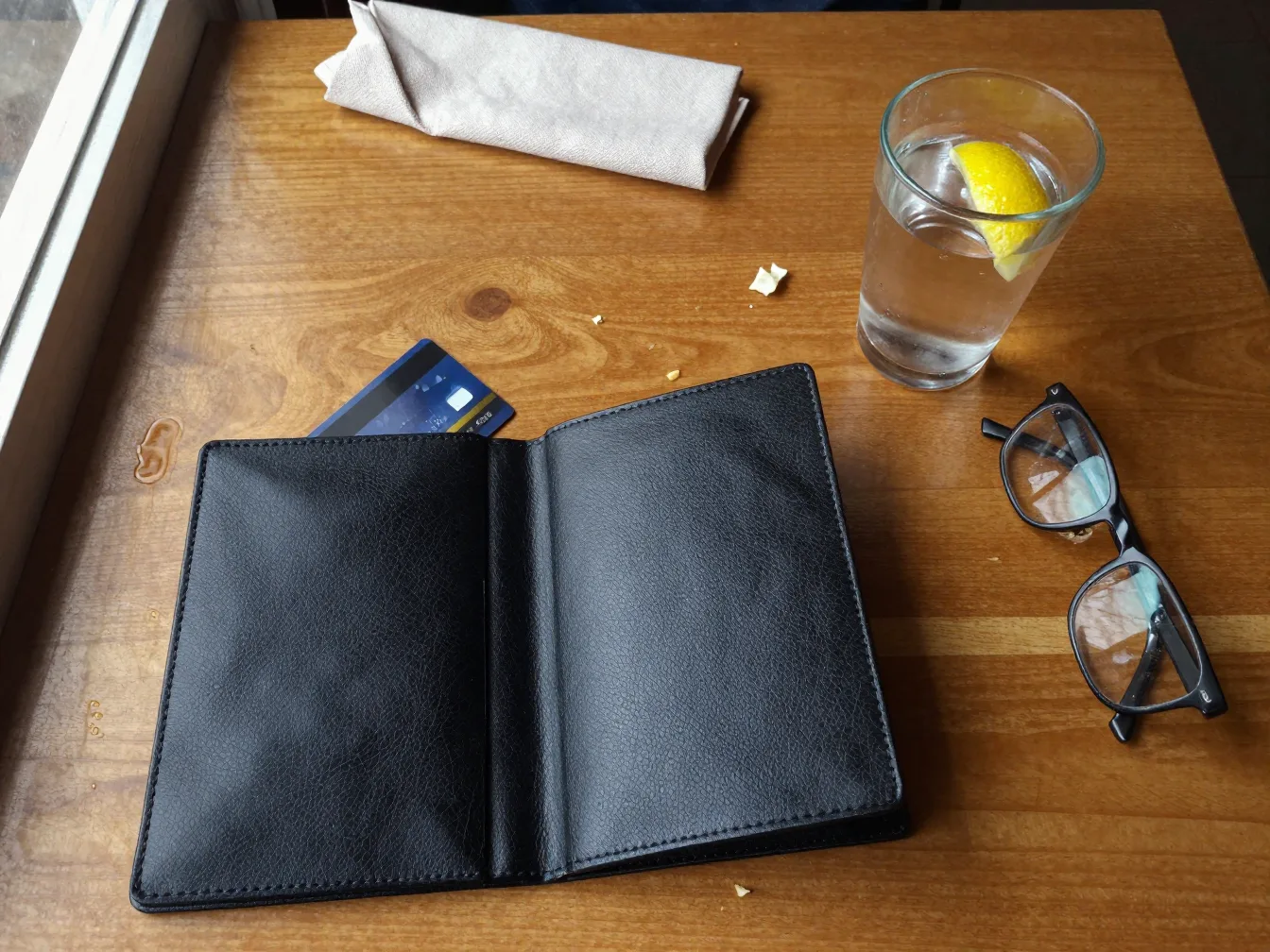
You booked two places for Friday and went to one. Restaurants keep track of that, Dublanica told NBC, and most reservation systems have codes where staff note customers. Nobody expects a lavish tip, but waiters remember a cheap one: 15 to 20 percent is standard, figured on the full bill before the coupon comes off.
Bartenders tip out other staff, Hoke adds, so a thin tip costs them money, and small tips show up on closed tabs.
What gets noted is a pattern, and one small tip after a careless meal is another story. Have you dropped a booking without calling this year? A phone call and an apology are what Dublanica advises.
Complaining to the wrong person, or too late

The insurance company takes a couple of days to reimburse a prescription, and the one getting yelled at is the pharmacist. Richard Logan, who owns L & S Pharmacy in Charleston, Missouri, told Drug Topics in 2017 that some angry customers assume the pharmacist is standing in their way, when the delay sits with the system behind him.
Restaurants see the late version: a plate sent back half eaten. Dublanica told CNN not to send a meal back once you've eaten half of it. A dish that is truly bad is another matter, and Nicolle would rather hear a complaint than watch a customer leave unhappy.
Last time you got angry at a counter, could that person change the thing? Did you speak up before the food was gone?
The people in line behind you

Raise your voice at a counter and the line becomes an audience. Henkel, Boegershausen, Rafaeli and Lemmink (2017, Journal of Service Research) ran five studies on onlookers to a customer's rudeness toward a frontline worker. Onlookers felt warmer toward the employee and were inclined to support the employee. That support was less likely when the worker was held responsible or answered in kind, and a polite reprimand left the best impression.
The published summary doesn't say who took part, and it measures feelings, so it can't predict what anyone in line will do.
Next time your voice goes up, watch the line. Does someone catch the clerk's eye, or roll theirs at you?
What none of this can tell you about yourself
Researchers' own definition of customers behaving badly includes people who disrupt service without meaning to. Fisk and six colleagues cite it in a 2010 review in the Journal of Services Marketing, so the title's question is fair. It describes a moment at a counter, nothing about anyone's character.
None of these sources counts how many customers are difficult, and none can say whether you are. A flat tone has plenty of other causes, from a short-staffed shift to a bar three deep.
Most of what workers mention costs nothing to change. Wait to be seen. Call to cancel. If the food is wrong, say so while the plate is full, to someone who can fix it. Nicolle wants to hear it.