Can Strangers Tell How Much Money You Make?
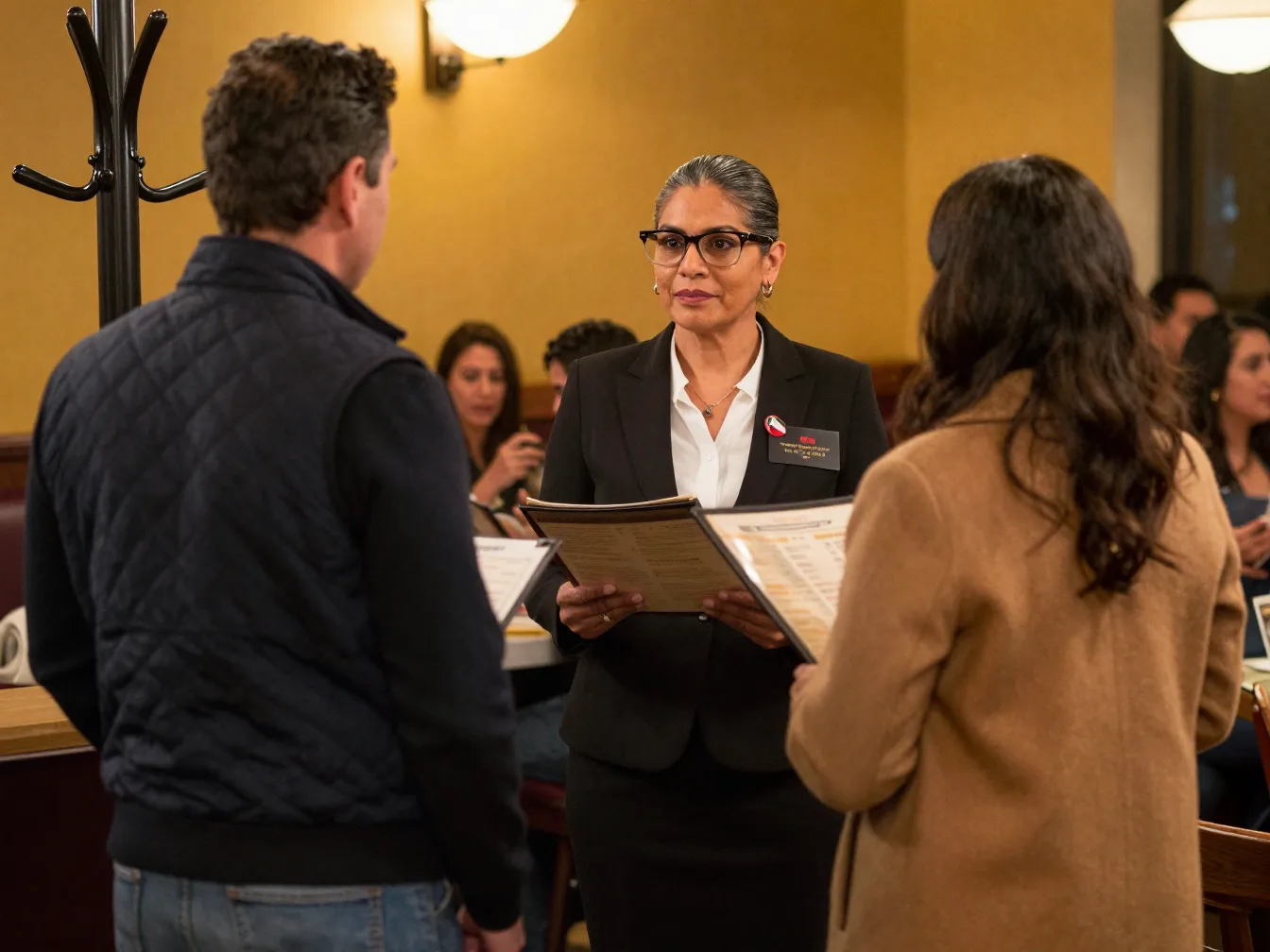
The server lifts your card off the tray and walks it to the register. By then, people in her line of work have made a guess about your money. Researchers have tested guesses like that, and the short answer is partly: strangers pick up real cues, but they miss often.
What your hands and eyes do while a stranger talks
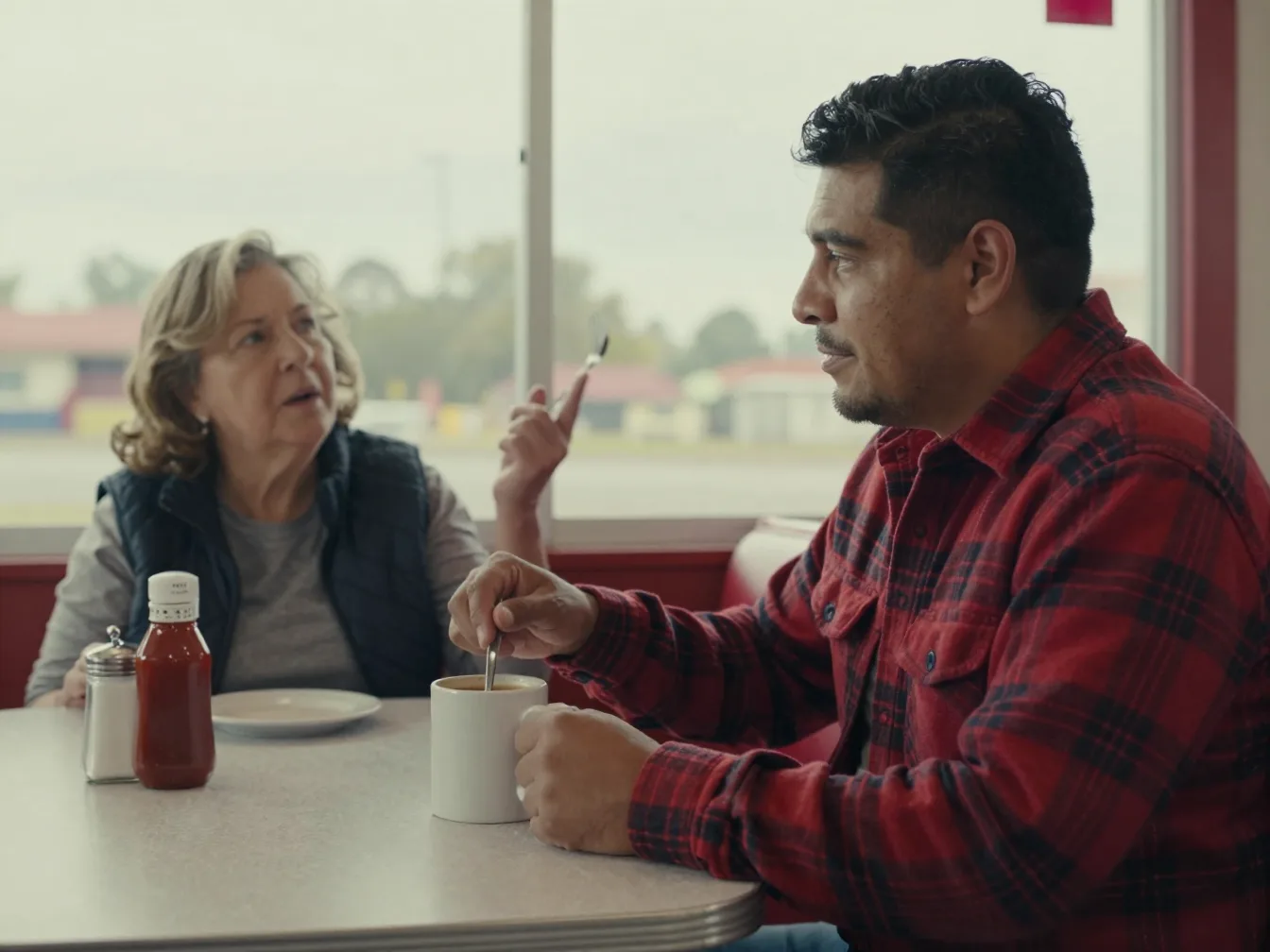
Two strangers get acquainted while a camera runs. One keeps his eyes on the other, nods, laughs, raises his eyebrows. The other grooms himself, doodles, fiddles with something on the table.
Kraus and Keltner filmed pairs of undergraduates at a public university doing this for a 2009 study in Psychological Science. Students from better-off families did more fiddling; students from poorer families did more nodding and laughing. Seven other undergraduates watched 60-second clips and guessed each person's standing. Their guesses matched family income better than chance, but only modestly.
The authors tie the pattern to how much someone depends on the person across from him, with no rudeness involved. Strangers may also show it more than friends would.
The shirt in your work photo

Open the photo on your work profile or ID badge and look at what you're wearing from the chest up. Across nine studies in Nature Human Behaviour (2020), Oh, Shafir and Todorov showed the same faces in upper-body clothes judged richer or poorer. Princeton students, New Jersey mall shoppers and paid online workers rated the face in richer clothes as more competent, even when told to ignore the clothes.
That was a competence rating of faces on a screen, not an income guess or a hiring decision. Clothes can mislead, too. Simon Stilwell, a server and general manager in Washington, D.C. restaurants for years, told Washington City Paper that there, nice clothes don't necessarily mean money. They mean you know how to dress for your job.
Logos a stranger can read from across the room
A bag with the brand stamped across the front is easy to price. In student studies in the Journal of Consumer Research (2010), Berger and Ward had undergraduates estimate what handbags cost. With loud logos, regular students could tell expensive from cheap. With small brand marks, a high-end bag was more easily taken for a cheaper one, though fashion majors could still decode it.
Whether a logo earns better treatment is contested. Nelissen and Meijers (Evolution and Human Behavior, 2011) reported that luxury labels brought the wearer preferential treatment. A 2017 replication by Joël Berger in PLoS ONE, in five double-blind experiments in Zurich, found a Lacoste label raised ratings of the wearer's status and wealth but had no positive effect on how anyone behaved toward him.
The card you hand over
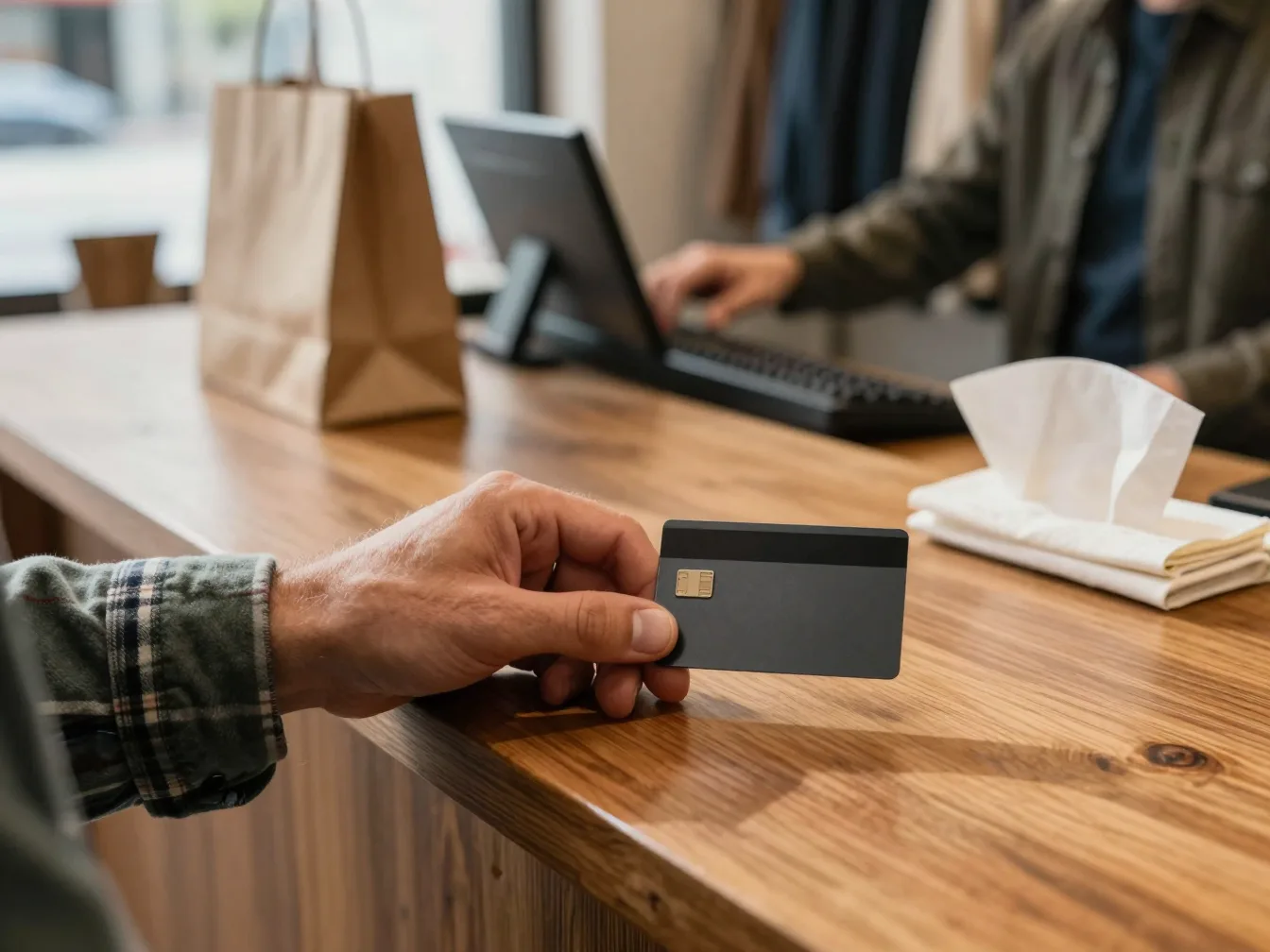
"Whenever you get a heavy card, you always know that this person spends a lot," Michal Matejczuk, then general manager and executive chef at Dacha Beer Garden in Washington, D.C., told Washington City Paper in 2015. A tucked-in shirt, or long sleeves in summer heat, read the same way to him. A cheese plate meant the table would stay a while.
The reporter left open whether his reads were accurate. A metal card shows its owner puts spending on a card. It says nothing about savings.
What you say when the server asks about wine
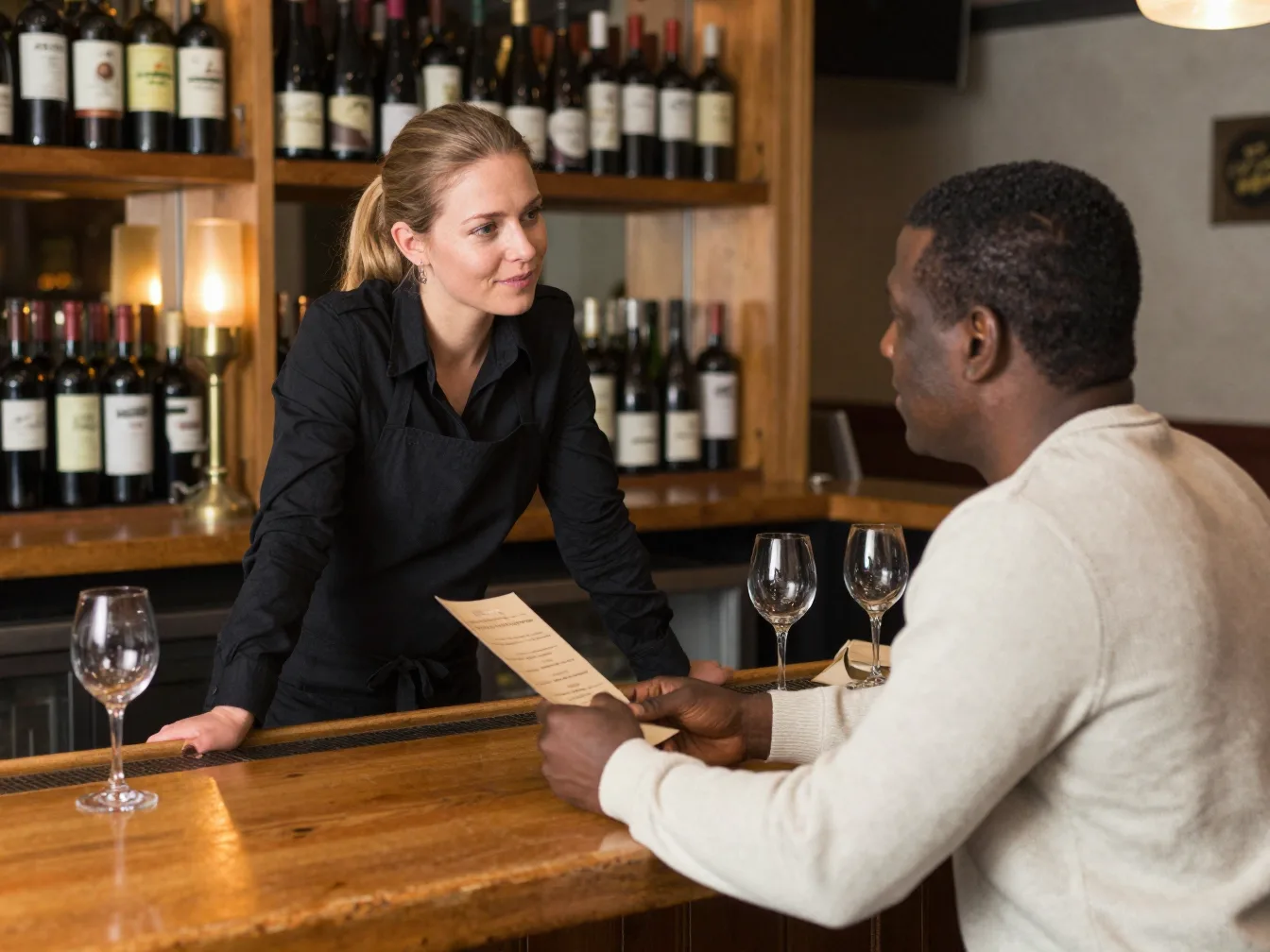
The server asks what you'd like to drink. One table says they generally like white Burgundy and asks what's on the list. Another just asks for a Cabernet.
To Stilwell, who spent 15 years in restaurants, the first table sounds like money, because diners who have it tend to have specific tastes. A plain Cabernet request is generally no sign of a big check. He still finds the way people carry themselves the most telling.
The paper reported that when staff expect a big spender, the server will likely sell up, talking more about the pricier bottle or the tasting menu. Think back to whether that happened to you. That is a tendency, not a rule.
A plain life with a big balance behind it

A business banker meets an older couple in the lobby of a Hilton Garden Inn. Their house is modest, their kids went to public schools, and their favorite restaurant is Olive Garden. They turned out to have $25 million in investments.
Elizabeth George, a certified financial planner and former private banker, told that story in a June 2026 Substack essay. She also had clients of the old-pickup, muddy-boots type with checking balances no one would guess.
Stanley and Danko's 1996 survey book The Millionaire Next Door found most millionaires weren't driving this year's model. George's are single cases and the survey is decades old, but both describe people a stranger's guess runs low on.
A big car and a small savings account
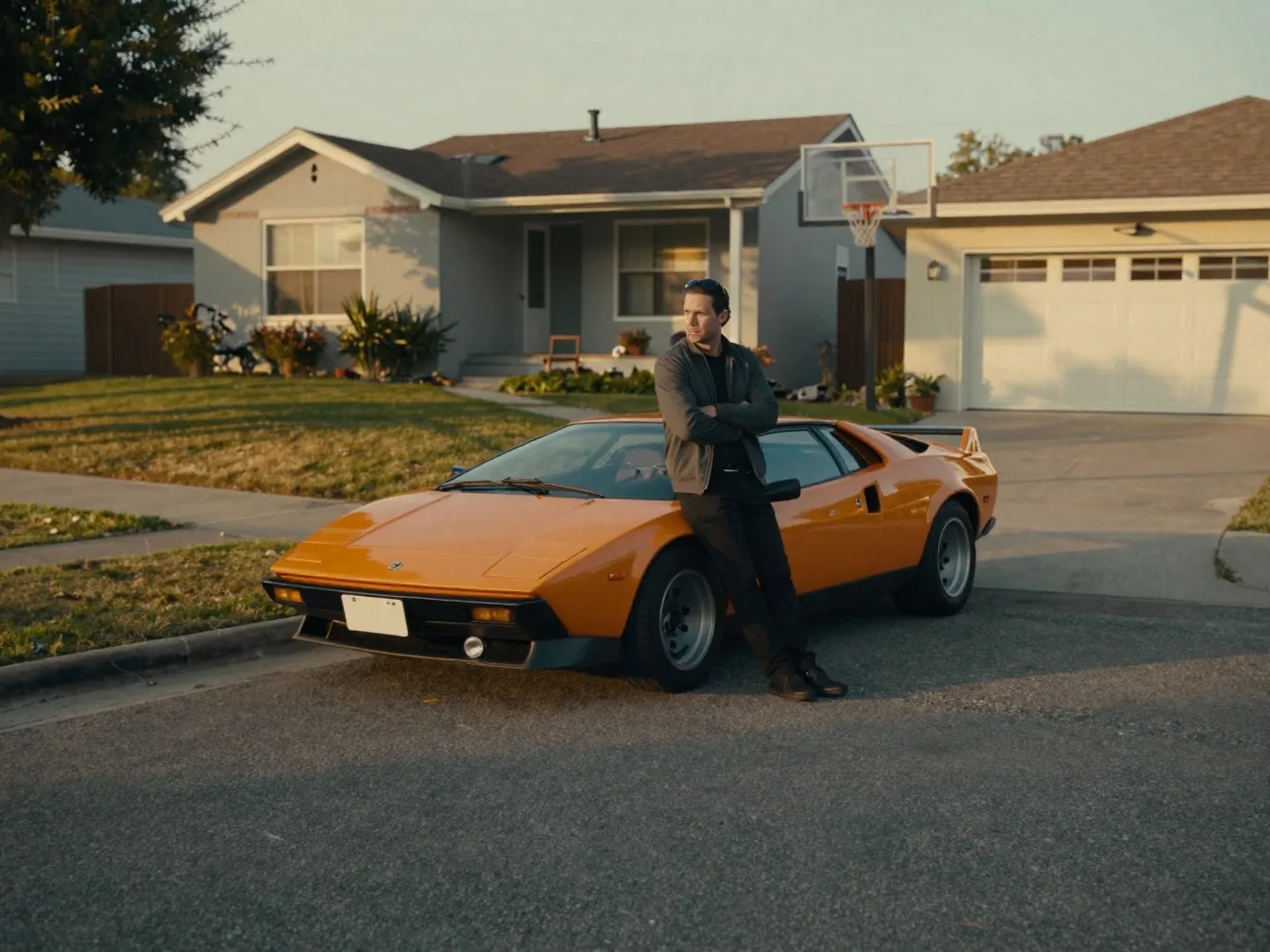
A Lamborghini pulls up. Its owner, George wrote, had $7K in savings and borrowed to pay his property taxes. She also describes a former pro athlete worth far less than Google reports.
The reasons aren't always bad: money given away or spent down, a divorce, a failed business deal. She points as well to zip codes where trusts own most homes and young residents don't seem to earn enough to live there. That money belongs to their families.
These are one banker's stories, not a measured rate. They show the guess failing the other way, with an address and a car read as a paycheck.
How far a stranger's guess can be trusted
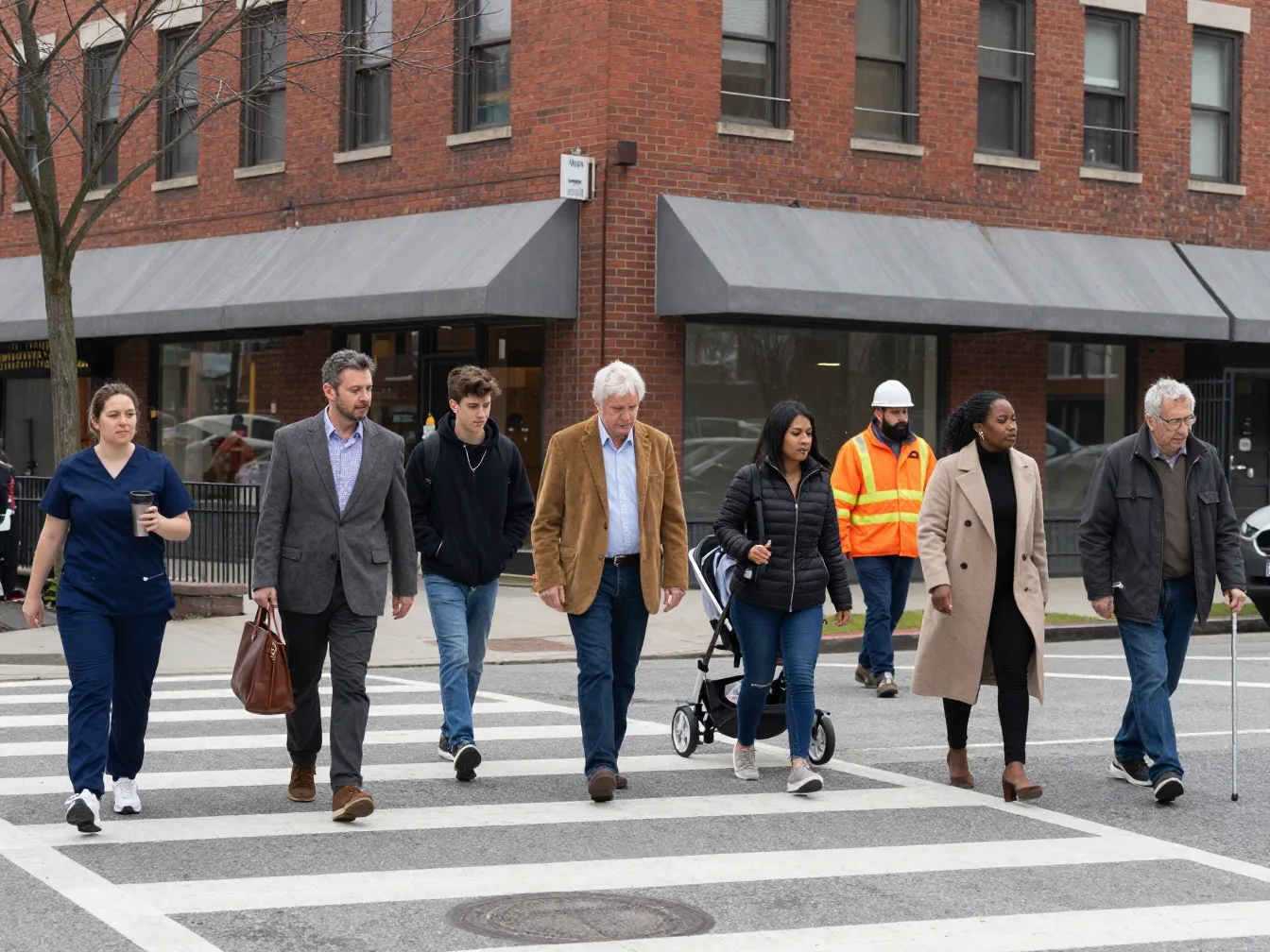
In the best-documented case, a minute of video, the students' guesses matched real family income only modestly. Most of what separates one income from another never showed on tape. When several observers agree, that shows a shared impression. It doesn't make them right.
People who size up customers for a living miss both ways, overlooking the Olive Garden couple and believing the Lamborghini. Washington City Paper's reporter put it plainly: servers can judge all they want, but people are unpredictable.
At the table, the guess mostly changes what gets mentioned to you, like the specials or the pricier bottle. What you order is still yours to decide.